Paper Books for Kids: Why Reading Print Books Still Matters
Paper books for kids have a special place in childhood. Even with tablets, smartphones, e-readers, and streaming entertainment everywhere, many children still enjoy the simple experience of holding a real book, turning its pages, and looking at colorful illustrations. Parents who buy books for kids are not simply purchasing entertainment. They are creating opportunities for learning, imagination, language development, and meaningful family time.
Choosing paper books for children can also help create positive reading habits from an early age. A child who grows up surrounded by interesting stories may begin to see books as something enjoyable rather than something they only read for school. From picture books and fairy tales to adventure stories and educational books, printed books can become an important part of a child's daily routine.
Why Paper Books for Kids Are Still Important
Children learn through their senses. When they read a paper book, they can touch the cover, turn individual pages, examine illustrations, and physically see their progress through the story. These small experiences can make reading more engaging, especially for younger children.
Paper books also provide a break from screens. Children spend significant amounts of time around digital devices for school, communication, games, and entertainment. Reading a printed story offers a quieter activity that does not require notifications, apps, or internet access.
For parents, paper books can create a comfortable reading environment. A child can sit on a couch, curl up in bed, or read beside a parent without needing another electronic device.
Paper Books Encourage Imagination
One of the greatest benefits of children's books is their ability to encourage imagination. A good story can take a child to a magical kingdom, an underwater world, a distant planet, or an exciting jungle adventure.
While reading, children create mental pictures of characters, places, and events. They begin asking questions such as what might happen next, why a character made a certain decision, or how they would respond in the same situation.
Illustrated paper books can be especially helpful for younger readers. Bright pictures support the story and help children understand new words and ideas. As children become stronger readers, books with fewer illustrations can encourage them to create more of the story in their own minds.
Building Strong Reading Habits at Home
Parents can make reading a regular part of family life by keeping books easily accessible. A small bookshelf in a child's bedroom, playroom, or living room can encourage independent reading.
Creating a daily reading routine does not have to be complicated. Parents might read a bedtime story every evening or set aside 15 to 20 minutes after school for quiet reading. The goal is to make reading feel natural and enjoyable.
Allowing children to choose their own books can also make a major difference. A child may prefer dinosaurs, animals, superheroes, mysteries, space, friendship stories, or funny characters. When children have choices, they are often more motivated to pick up a book.
How to Buy Books for Kids
When parents buy books for kids, age and reading level are useful starting points, but they should not be the only considerations. A child's interests are equally important.
For toddlers and preschoolers, look for books with simple stories, colorful illustrations, sturdy pages, and familiar subjects. Books about animals, family, colors, numbers, vehicles, and everyday experiences can be appealing.
Early readers may enjoy short stories with simple sentences and familiar vocabulary. Books that allow children to recognize words and gradually build confidence can make independent reading less frustrating.
Older children often enjoy longer stories with more complex characters and plots. Adventure, fantasy, science fiction, mystery, humor, historical fiction, and realistic stories can all encourage them to read more often.
Parents should also consider the quality of the story. A book does not need to be educational in every sentence to be valuable. A funny or exciting story can still teach vocabulary, encourage empathy, develop concentration, and help children understand different perspectives.
The Educational Benefits of Children's Books
Reading paper books can support several important skills. Regular reading exposes children to new vocabulary and sentence structures. Over time, this exposure can help them communicate more clearly and understand more complicated ideas.
Stories can also introduce children to emotions and social situations. A character might experience fear, disappointment, kindness, jealousy, courage, or excitement. Discussing these situations with a child can help them think about their own feelings and understand how other people may feel.
Books can also encourage curiosity. A story about animals may lead a child to ask questions about wildlife. A book about space might inspire interest in planets and science. A historical story can encourage children to learn more about another time period.
Reading Together Strengthens Family Bonds
Buying books for kids is not only about independent reading. Parents and children can enjoy books together.
Shared reading creates opportunities for conversation. Parents can ask questions about the story, point out illustrations, explain unfamiliar words, and encourage children to predict what will happen next.
Bedtime reading can become a particularly meaningful family tradition. Even a short story each night can give parents and children a calm opportunity to spend time together.
As children grow older, parents can continue discussing books with them. Instead of always reading aloud, families can recommend stories to one another and talk about favorite characters and memorable moments.
Choosing Books Children Will Actually Read
One common mistake is choosing books based entirely on what adults think children should read. While educational value matters, enjoyment matters too.
A child who loves funny stories may not immediately want a serious educational book. A child fascinated by animals may be more interested in a wildlife story than a general reading workbook.
Parents can use children's interests as a starting point. Look for stories connected to hobbies, favorite animals, sports, friendships, fantasy worlds, or questions they frequently ask.
It is also helpful to offer variety. A child's bookshelf might include fiction, nonfiction, picture books, poetry, comics, biographies, and educational stories. Variety helps children discover different types of reading.
Create a Personal Library for Your Child
A personal collection of paper books can become a valuable part of childhood. Children can return to favorite stories many times, share books with siblings, and eventually pass treasured books to younger family members.
Parents do not need to create a huge library all at once. Adding a few books regularly can gradually build an interesting collection. Used books, book fairs, library sales, and affordable children's book collections can make it easier to expand a home library without spending too much.
The most important thing is that children have books they can easily reach and explore.
Final Thoughts
Paper books for kids continue to offer something that digital entertainment cannot completely replace. They provide stories, imagination, learning opportunities, family connection, and a hands-on reading experience.
When parents buy books for kids, they are giving children more than printed pages. They are giving them opportunities to discover new ideas, develop language skills, explore emotions, and build a lifelong relationship with reading.
Whether it is a colorful picture book for a preschooler or an exciting adventure novel for an older child, the right book can become a treasured childhood memory. By making paper books available at home and allowing children to choose stories that genuinely interest them, parents can help make reading an enjoyable and lasting part of everyday life.
Patrocinados
Publicaciones
Publicaciones
Publicaciones
Categorías
Read More
Slovenia becomes first EU state to introduce fuel rationingGuy DelauneyBBC Balkans correspondent in LjubljanaReutersPetrol stations will have to police the new government-imposed restrictionsSlovenia has become the first EU member state to implement fuel rationing to tackle disruptions caused by the US-Israeli strikes on Iran and its retaliation on their allies in the Gulf - most major players...

Why Some Social Security Recipients Won't Receive Their Payments in March We research all brands listed and may earn a fee from our partners. Research and financial considerations may influence how brands are displayed. Not all brands are included. Learn more....

Australia takes Telegram to court over alleged failure to remove 'pro-terror' materialAustralia is taking Telegram to court over its alleged failure to remove "pro-terror" material, including video of the Christchurch shootings, the country's eSafety commissioner has said.Julie Inman-Grant, who last year led Australia's world-first ban on social media for under-16s, said the platform faced a...

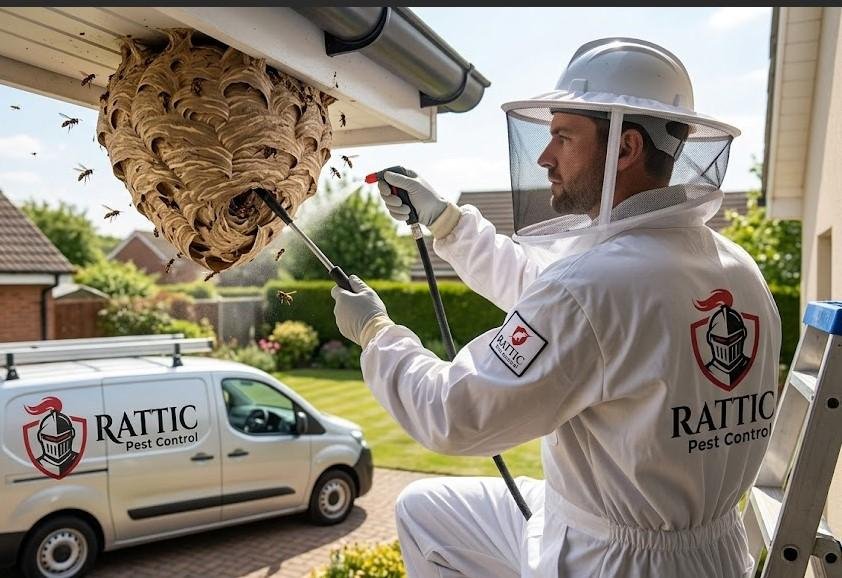
Pest Control Maidenhead Pests can create serious problems for both homeowners and businesses, causing property damage, contaminating food, and posing health risks. Whether you are dealing with rats, mice, bed bugs, cockroaches, wasps, fleas, ants, or other unwanted pests, professional treatment is the safest and most effective solution. If you need reliable Pest Control Maidenhead...
Best Road Trip Camera GearI travel a lot and I take a lot of pictures. I also bring more camera gear than I usually need. Fortunately, I built a campervan for road trips that lets me carry all that and other road trip gear. If you're planning on your own epic road trip your phone's camera should suffice but for some shots, you need a real camera. Despite regularly bringing too many cameras and...