YogasuitFactory Yoga Suit: Breathability, Stretch, Support, and Comfort
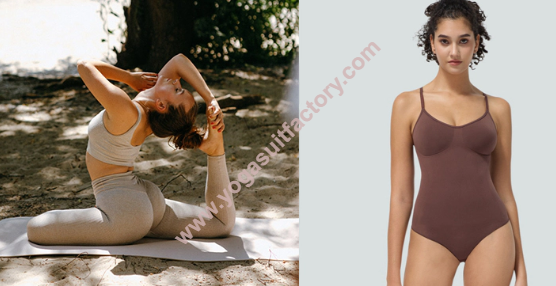
What Features Should a Yoga Suit Have for High-Intensity Workouts?
High-intensity workouts place demanding requirements on athletic clothing. Rapid transitions, repeated stretching, jumping, squatting, twisting, and sustained movement can expose weaknesses in fabric, construction, fit, and ventilation. A suitable Yoga Suit should provide a balanced combination of flexibility, breathability, moisture management, stability, and freedom of movement. For brands developing activewear collections, YogasuitFactory provides manufacturing capabilities focused on women's seamless and seamed sportswear. What should buyers examine before selecting apparel for demanding training?
Flexible Fabric for Unrestricted Movement
Flexibility is fundamental when clothing is used during dynamic exercise. A garment may appear attractive during initial inspection, yet its practical performance becomes apparent when the wearer performs deep lunges, elevated stretches, squats, jumps, or rapid changes in direction. Fabric needs to accommodate these movements without creating excessive tension around the hips, shoulders, waist, or thighs.
A practical construction can combine stretch fibers with a soft hand feel and suitable recovery. Nylon, Lycra, and Spandex are commonly used within performance apparel because these materials can provide elasticity while supporting close-fitting garment structures.
Recovery is also important. After fabric stretches, it should return toward its original shape rather than remaining loose. Consistent recovery helps preserve the intended silhouette and reduces the need for constant garment adjustment during exercise.
Breathability and Moisture Management
Intense exercise naturally generates heat and perspiration. Without adequate ventilation, fabric may become uncomfortable and heavy, while trapped moisture can affect the overall wearing experience during extended sessions. Breathable construction helps air circulate around the body, while moisture-wicking materials assist in moving perspiration away from the skin.
For this reason, performance apparel should consider both fabric composition and garment structure. Breathability should not be viewed as an isolated material characteristic. Mesh zones, knit density, panel placement, and garment coverage can all influence airflow.
YogasuitFactory presents activewear incorporating breathable, moisture-wicking, and quick-drying properties, demonstrating how functional textile characteristics can become part of a performance-oriented clothing collection.
A Stable Waistband and Secure Fit
During energetic routines, a waistband that shifts, folds, or rolls can become a distraction. A stable waist structure should remain positioned around the torso while allowing natural movement.
High-rise designs can provide broader coverage around the abdomen, while carefully developed elastic structures can distribute pressure across the waist instead of concentrating it in a narrow area. For certain activewear applications, grip elements may also assist with positioning.
The overall fit should remain secure without becoming excessively restrictive. Compression can create a close-fitting sensation, but excessive pressure may interfere with comfort and natural movement. The intended activity, fabric recovery, garment pattern, and wearer's preference should therefore work together.
Seamless Construction and Friction Control
Seam placement can influence how clothing feels during repeated movement. Traditional construction may require several panels and stitched joins, creating contact points around areas such as the inner thigh, waist, or underarm. During high-frequency movement, these areas can become noticeable.
Seamless knitting offers another approach. Instead of relying heavily on cut-and-sew panels, garments can be formed through specialized knitting processes that reduce certain joining points. This structure can create a smooth surface while supporting flexible movement.
However, seamless construction is not automatically suitable for every training scenario. Some activities can benefit from strategically positioned structural panels and reinforced zones. The appropriate approach depends on support requirements, movement patterns, garment purpose, and target consumers.
Support Without Restricting Motion
High-intensity exercise can involve substantial movement around the chest, abdomen, hips, and legs. Tops therefore require suitable support, while bottoms should provide a secure fit around the waist and hips.
A sports bra may use wider straps, supportive bands, breathable sections, or carefully selected knit structures. Bottom garments can incorporate high-rise waistbands, sculpting zones, or different compression levels according to their intended application.
Support should feel controlled rather than rigid. When clothing follows body movement instead of resisting it, the wearer can focus on technique, breathing, balance, and training rhythm.
Durability and Quality Control
Performance clothing is exposed to repeated stretching, washing, perspiration, friction, and everyday handling. Fabric quality alone does not determine durability. Stitching, knitting density, elastic recovery, waistband construction, finishing, and inspection procedures also matter.
For manufacturers and private-label brands, production consistency is particularly significant. A garment specification needs to be translated accurately from sample development into regular production. Raw materials should be inspected, manufacturing procedures should follow defined specifications, and finished garments should receive appropriate quality checks.
A structured production process can be valuable for businesses developing an activewear collection because design intentions need to remain consistent throughout different manufacturing stages.
Customization for Different Activewear Markets
High-intensity training is not limited to one type of exercise. Gym sessions, functional fitness, dance training, indoor workouts, Pilates, running, and hybrid fitness programs can all require different garment characteristics.
An activewear brand may therefore need variations in fabric, color, size, waistband construction, support level, logo placement, and styling. YogasuitFactory provides OEM-oriented manufacturing services that can support businesses developing customized sportswear collections.
Customization can also extend to matching sets. Coordinated tops, leggings, shorts, jumpsuits, and body-shaping garments allow a collection to maintain a consistent visual identity while serving different training preferences.
Choosing a Manufacturing Partner
For businesses sourcing performance apparel, evaluating a factory involves several considerations beyond product appearance. Material selection, development capability, production equipment, customization support, inspection procedures, communication, and delivery coordination can all influence the sourcing experience.
Jinhua Yongxing Knitting Co., Ltd. specializes in seamless and seamed women's sportswear, with product categories covering sports bras, pants, shorts, bodysuits, shapewear, and related apparel. Its manufacturing capabilities provide options for businesses seeking private-label or customized activewear solutions.
For brands planning a new collection, reviewing manufacturing capabilities can help clarify whether a supplier's production structure matches the intended product direction. It is also useful to examine sample quality, fabric behavior, construction details, customization flexibility, and communication during development.
When developing high-intensity activewear, flexibility, airflow, moisture management, waistband stability, friction control, structural support, and production consistency should all receive careful attention. Brands interested in exploring suitable manufacturing solutions can visit https://www.yogasuitfactory.com/product to review available apparel categories, OEM services, seamless designs, and performance-oriented clothing solutions. A carefully developed Yoga Suit can bring these functional elements together while supporting the demands of modern active lifestyles.
Sponsored
Ads
Ads
Ads
Categories
Read More
Nasa unveils next steps to build permanent Moon base13 minutes agoGeorgina RannardScience reporterGetty ImagesNasa has released details of robotic landers, hopping drones and vehicles it aims to send to the Moon as part of US plans to build a lunar base.Amazon founder Jeff Bezos's space company Blue Origin is one of several companies picked to build the machines.The US wants to land Americans...

Google’s Gemini Omni turns images, audio, and text into video — and that’s just the start When Google launched Gemini three years ago, the goal was to build a multimodal large language model — a single neural network that was trained on text, image, audio, and video and could generate content in any of those formats. Today, at its Google I/O developer conference, the company took a concrete...

Motion control technology rarely changes overnight, but the cumulative direction of development over recent years points toward a future shaped by smarter integration, tighter tolerances, and increasingly connected systems. A stepper motor linear actuator, despite being a well-established and mature technology, continues to evolve alongside these broader trends, adapting to meet the demands of...
SK Hynix: South Korean chip giant raises $26.5bn in US share saleSouth Korean computer chip maker SK Hynix has raised $26.5bn (£19.8bn) in its New York share offering, marking the largest ever listing by a foreign firm in the US.The company, a key supplier to artificial intelligence (AI) chip giant Nvidia, said on Thursday that it had sold 177.9 million American depositary shares for $149 each....

Woman seriously injured in shark attack at Sydney beachReutersThe incident happened at Coogee Beach in SydneyA woman has been seriously injured after being bitten by a shark at a beach in Sydney, police have said.New South Wales Police said emergency services were called to Coogee Beach in the east of the city on Saturday morning. The woman, 35, was "pulled from the water by members of the...