How to Care for Your Dentures Every Day for Better Results
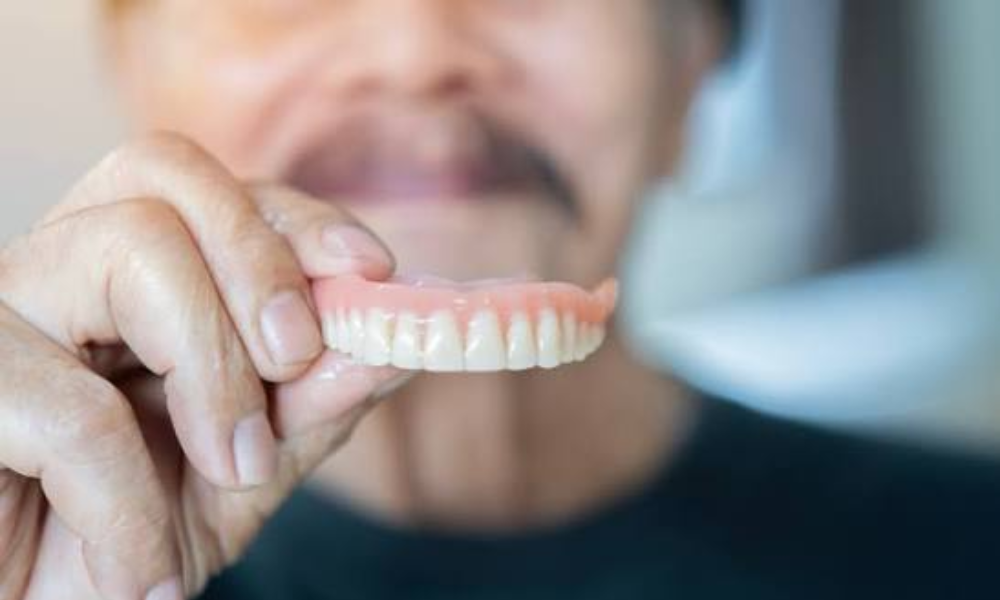
Dentures can restore your smile, improve your ability to chew and support clearer speech after tooth loss. However, simply wearing dentures is not enough to keep them comfortable and functional. Consistent daily care is essential for maintaining the condition of your dentures while also protecting your gums, tongue and any remaining natural teeth.
If you are considering dentures Peterborough or already wear dentures, developing a reliable cleaning and maintenance routine can help you get better long-term results. Proper care can reduce the build-up of food particles and plaque, minimise unpleasant odours and help you recognise fitting problems before they become more troublesome.
Why Is Daily Denture Care Important?
Dentures are exposed to food, saliva and bacteria throughout the day. Without proper cleaning, deposits can accumulate on their surfaces. This can contribute to staining, unpleasant smells and irritation inside the mouth.
Daily denture care is also important because your mouth needs attention even when you no longer have natural teeth in one or both arches. Gums and the tongue can collect bacteria and debris, while remaining natural teeth still require normal oral hygiene.
The NHS recommends cleaning dentures regularly and maintaining good oral hygiene by cleaning the gums, tongue and any remaining natural teeth. Establishing a consistent routine therefore benefits both your dentures and your overall oral health.
Remove and Rinse Your Dentures After Meals
One of the simplest ways to care for dentures is to rinse them after eating. Food particles can become trapped between the denture and your gums, particularly with partial dentures or appliances that have become less secure over time.
After removing your dentures, rinse them under cool or lukewarm running water. This can help remove loose food debris before you carry out a more thorough cleaning.
Avoid using very hot water because excessive heat can potentially distort some denture materials and affect their fit. Handle the appliance carefully, particularly when taking it out or putting it back into your mouth.
Clean Your Dentures Every Day
Dentures should be cleaned regularly to remove food deposits, plaque and other build-up. Cleaning is particularly important before going to bed so that the appliance is not left with accumulated debris overnight.
Use a soft denture brush or another suitable soft brush and a non-abrasive denture-cleaning product. Avoid harsh household cleaners or abrasive substances that can scratch the surface.
Scratches can create areas where deposits accumulate more easily, potentially making the dentures harder to keep clean.
Your dental professional can recommend appropriate cleaning products based on the type and material of your dentures.
Avoid Using Regular Toothpaste on Dentures
Although toothpaste is useful for natural teeth, it may not be suitable for cleaning dentures. Many conventional toothpastes contain abrasive ingredients that can scratch the denture surface.
Instead, use a product specifically designed for dentures or follow the cleaning instructions supplied by your dental professional.
If you are unsure which cleaning method is appropriate, ask your dentist or denture professional. Different materials and denture designs may require slightly different care.
Look After Your Gums and Tongue
Denture care is not only about cleaning the appliance. Your mouth also needs daily attention.
After removing your dentures, gently clean your gums and tongue using a soft toothbrush. This can help remove food debris and bacterial build-up while keeping your mouth feeling fresh.
If you still have natural teeth, continue brushing them twice a day with fluoride toothpaste and follow your dental professional's recommendations for cleaning between them.
Taking care of the tissues underneath your dentures is particularly important because they provide support for the appliance.
Give Your Gums a Break at Night
Unless your dental professional has advised otherwise, it is generally recommended to remove dentures at night. This gives the gum tissues an opportunity to rest and reduces the amount of time they are covered by the appliance.
When dentures are removed, clean them and store them safely according to your dental professional's instructions.
Some patients may have specific reasons for wearing dentures overnight, so individual advice should always take priority. If you have been instructed to keep your dentures in at night, follow that guidance.
Store Dentures Safely
When dentures are not being worn, they should be stored carefully to prevent damage and help maintain their shape.
Many dentures should be kept moist when stored, but the appropriate method can depend on the type of appliance and manufacturer's instructions. Ask your dental professional what storage method is best for your particular dentures.
Keep dentures away from children and pets, and avoid leaving them somewhere they can easily fall onto a hard surface.
A dropped denture can crack, break or damage individual teeth, potentially requiring professional repair.
Handle Dentures Carefully
Dentures can be surprisingly fragile, especially when dropped. Always handle them carefully when removing, cleaning and storing them.
When cleaning your dentures, consider doing so over a folded towel or a sink containing some water. This can reduce the risk of serious damage if the appliance slips from your hands.
Do not bend clasps or other components on partial dentures. Attempting to alter these parts can affect the fit and stability of the appliance.
If something feels wrong, arrange a professional assessment rather than attempting to modify the denture yourself.
Do Not Repair Dentures Yourself
A cracked or broken denture can be inconvenient, but DIY repairs can create additional problems.
Household adhesives, filing tools and other unsuitable materials can damage the denture and may make professional repair more difficult. They can also alter the fit, potentially causing irritation or instability.
If your denture breaks, keep all the pieces and contact your dental or denture professional. They can determine whether the appliance can be repaired or whether replacement would be more appropriate.
Professional repairs are particularly important when the damage affects the denture's fit or structural strength.
Be Careful With Hard and Sticky Foods
Dentures can allow you to enjoy a wide range of foods, but certain foods may be more challenging, particularly when you are new to wearing dentures.
Very hard or sticky foods can place additional pressure on dentures and may cause movement or discomfort. If you experience difficulty, cut food into smaller pieces and chew slowly using both sides of your mouth.
New denture wearers may benefit from starting with softer foods and gradually introducing firmer textures as they become more comfortable.
If eating remains difficult despite allowing time to adjust, your dentures may need a professional assessment.
Watch for Changes in Denture Fit
Even well-made dentures can become less secure over time. Your gums and underlying bone naturally change, which can affect how the appliance fits.
Pay attention if your dentures begin to:
-
Slip while speaking
-
Move when eating
-
Cause repeated sore spots
-
Click when you talk
-
Trap more food underneath
-
Feel different from when they were first fitted
These changes should not simply be ignored. A professional may be able to improve the fit through an adjustment or reline. In other cases, replacement may be more appropriate.
If you are researching dentures Peterborough, look for a provider that offers ongoing fitting, adjustment and aftercare rather than focusing only on the initial denture fitting.
Clean Dentures Before Bed
Night-time cleaning should be an important part of your routine. Remove your dentures and clean them thoroughly to remove the day's build-up.
Pay particular attention to areas where food and deposits can collect, including grooves, clasps and the surfaces that contact your gums.
After cleaning, store the dentures appropriately according to professional advice. Maintaining the same routine every evening makes denture care easier to remember and reduces the likelihood of neglecting your appliance.
Attend Regular Dental and Denture Check-Ups
Daily cleaning cannot replace professional examinations. Regular appointments allow your dental professional to check your dentures, gums and remaining natural teeth.
Your mouth can change gradually, and you may not notice that your dentures are becoming less suitable until they begin causing discomfort. Professional reviews can identify these changes early.
During an appointment, your dental professional may recommend an adjustment, repair, reline or replacement depending on the condition of your dentures.
Regular check-ups are also an opportunity to discuss cleaning products, storage methods and any concerns you have about wearing your appliance.
How to Know When Dentures Need Replacing
Good care can extend the useful life of dentures, but no appliance lasts forever. Over time, denture teeth can become worn, the base can deteriorate and changes in your mouth can affect the fit.
You may need professional advice if your dentures are repeatedly damaged, increasingly loose, visibly worn or uncomfortable despite adjustments.
The decision to replace dentures should be based on their condition, fit, function and your individual oral health needs rather than simply their age.
Final Thoughts
Taking care of your dentures every day can help maintain their cleanliness, appearance, comfort and function. Simple habits such as regular cleaning, careful handling, safe storage and good oral hygiene can make a significant difference to your overall denture experience.
However, even the best daily routine cannot prevent natural changes in your mouth. If your dentures become loose, uncomfortable, damaged or difficult to use, professional advice is important.
For people considering or already using dentures Peterborough, choosing professional denture care alongside a consistent home routine can help support long-term comfort and better results. With proper daily maintenance and regular professional reviews, you can help protect your dentures while keeping your mouth healthy and your smile confident.
Sponsor
Zoekertjes
Zoekertjes
Zoekertjes
Categorieën
Read More
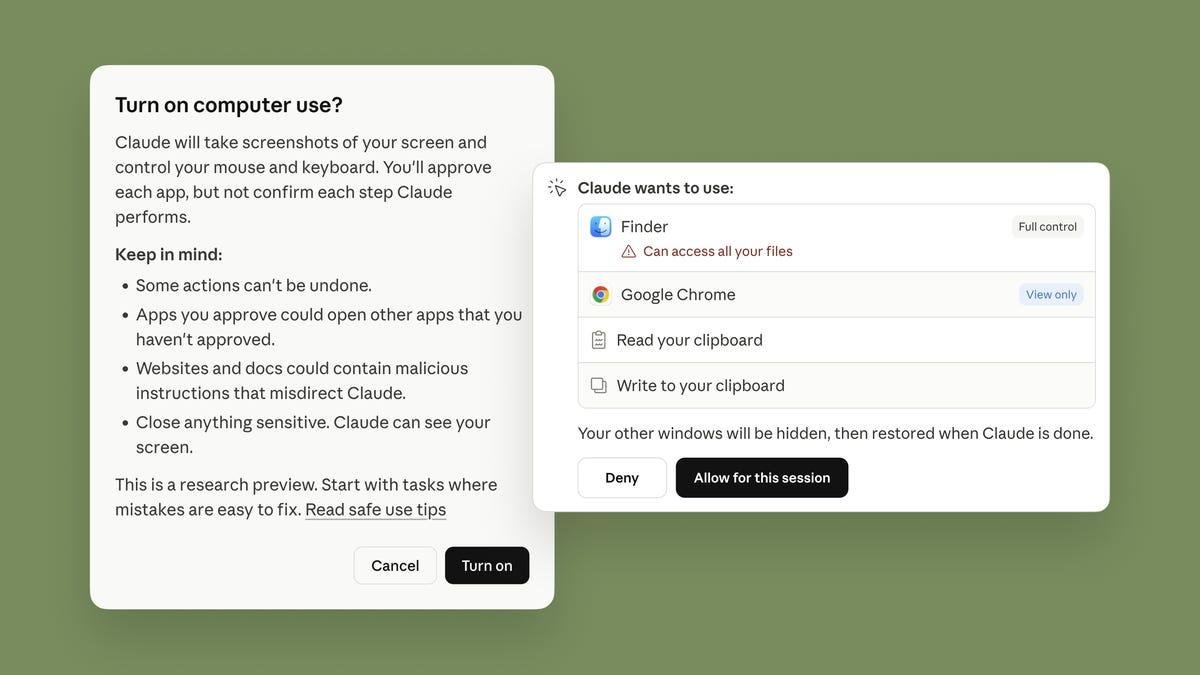
Anthropic's Claude Can Now Control Your ComputerYou can now let Claude take control of your computer to perform tasks like sending you a file you left on your hard drive, Anthropic announced Monday. For the feature to work, you just need to be on a qualifying subscription plan.In the wake of the viral explosion of the open-source OpenClaw framework earlier this year, it's the latest developer...
Father of U.S.-based activist sentenced in Hong Kong under national security law Hong Kong Democracy Council Executive Director Anna Kwok holds a candle as she participates during a candlelight vigil to mark the anniversary of the Tiananmen Square massacre on June 3, 2024 in Washington,...

GIGABYTE's X870E AUROS Elite X3D Is Built to Be the Ultimate AMD Gaming FoundationIf you're ready to move your PC gaming experience to the next level, look no further than GIGABYTE's X870E AORUS ELITE X3D. Already known for their forward-thinking tech, GIGABYTE has outdone themselves with this one. Boasting state-of-the-art graphics capabilities, AI-enhanced X3D Turbo Mode 2.0, Zenith...

Today's Wordle Hints, Answer and Help for Feb. 21, #1708Looking for the most recent Wordle answer? Click here for today's Wordle hints, as well as our daily answers and hints for The New York Times Mini Crossword, Connections, Connections: Sports Edition and Strands puzzles.Today's Wordle puzzle relies heavily on vowels, which some people like to guess right away. If you need a...

Build in public, fail in public: what it’s like to be a founder under 20 right now For Arlan Rakhmetzhanov, 19, there is no middle ground. Either he builds a company as valuable as Google, he says, or he fails and ends up on the streets. He started coding at 15 in his native Kazakhstan, completed a couple of summer programs in San Francisco, and cold-DM’ed every Y Combinator founder he could...