Managed IT Services Guide for Smarter Business Success!

Managed IT Services Guide for Smarter Business Success!
Managed IT services give organizations access to ongoing technical support, monitoring, maintenance, and guidance from an experienced IT team. Instead of waiting for problems to appear, businesses can use proactive management to keep systems stable and secure. It can serve both small businesses and growing organizations.
What Are Managed IT Services?
IT support solutions are technology solutions delivered and maintained by an external IT provider. The provider takes responsibility for agreed areas of a company’s technology environment. It can cover networks, servers, endpoints, cloud platforms, cybersecurity, backups, software, and user support.
The main difference from occasional technical assistance is consistency. A provider continuously monitors systems, performs maintenance, responds to incidents, and helps plan improvements.
Why Businesses Use Managed IT Support
Many businesses cannot justify hiring a large internal IT department. They may have one technician or a small team that struggles to handle support requests, security concerns, infrastructure maintenance, and long-term planning at the same time.
A managed provider can extend that capability. Businesses gain access to specialists without carrying the full cost of building a large technology department. Support can also become more predictable because routine services and response expectations are defined in advance.
Proactive Monitoring and Maintenance
One major advantage is proactive monitoring. IT teams can track servers, networks, devices, applications, and other systems to identify unusual activity or performance problems.
Early detection matters. Failing drives, limited server resources, or network errors can be investigated before becoming major outages. Regular updates and maintenance reduce avoidable problems.
Better Cybersecurity
Cybersecurity is now a business requirement. Attackers target organizations of all sizes, and a single compromised account or device can create serious consequences.
Managed providers can help businesses strengthen security through endpoint protection, access controls, multi-factor authentication, patch management, email security, vulnerability monitoring, and security policies. They can also help employees understand common risks such as phishing and unsafe password practices.
Security requires continuous review because new vulnerabilities and threats appear regularly.
Reliable Backup and Recovery
Data loss can interrupt operations and damage customer trust. Hardware failures, accidental deletion, ransomware, and other incidents can make information unavailable.
A strong backup strategy creates recoverable copies of critical data. Managed IT teams can configure backup schedules, monitor backup jobs, test recovery procedures, and help establish recovery objectives. Businesses should define recovery priorities and required restoration times.
Cloud and Remote Work Support
Cloud platforms have changed how employees work. Teams can access applications and files from different locations, but remote environments also create management and security challenges.
Managed IT services can help organizations configure cloud accounts, manage user access, monitor systems, and support collaboration tools. Remote employees can receive technical assistance without needing to bring devices into a physical office.
Improving Employee Productivity
Technology problems waste hours. A slow computer, unavailable application, or login problem may seem small, but repeated interruptions can become expensive across a whole organization.
A managed support team provides a clear channel for reporting issues. Technicians can prioritize requests, troubleshoot problems, document solutions, and track recurring incidents. Faster support allows employees to spend more time on their responsibilities.
Cost Control and Predictable Planning
Technology expenses can be difficult to predict when businesses only react to emergencies. Unexpected hardware failures, security incidents, or urgent repairs can create significant costs.
Managed services can make IT spending more predictable through defined service agreements and planned maintenance. Providers can also help organizations identify aging equipment, unnecessary software, and inefficient systems before they become expensive problems.
Scalability for Growing Companies
Technology requirements change as a business grows. New employees need accounts and devices, additional locations require network support, and larger workloads may require more cloud capacity.
A managed provider can help standardize these processes. New users can be onboarded through documented procedures, security controls can be applied consistently, and infrastructure can be adjusted as demand increases. This makes growth easier to manage.
Choosing the Right IT Provider
Businesses should evaluate providers before signing an agreement. Start by identifying the systems that require support and the problems the company wants to solve.
Ask potential providers about their monitoring methods, security practices, response times, backup procedures, escalation process, and reporting. It is also important to understand what is included in the service and what may create additional charges.
Good communication also matters. Providers should explain issues clearly and offer practical recommendations.
Common Mistakes to Avoid
One mistake is choosing a provider based only on price. The cheapest option may not provide sufficient monitoring, security, or response coverage.
Another mistake is failing to define responsibilities. Businesses and providers should clearly understand who manages hardware, software, cloud accounts, backups, security, and user support.
Organizations should also avoid ignoring documentation. Accurate records of systems, configurations, accounts, and recovery procedures make troubleshooting and future planning easier.
Measuring IT Performance
Businesses should measure whether their IT strategy is delivering value. Useful indicators include ticket resolution time, system availability, security incidents, backup success rates, recurring problems, and user satisfaction.
Reporting can reveal trends. If the same issue appears repeatedly, the goal should be to find its underlying cause rather than repeatedly fixing the symptom.
Conclusion
Businesses need technology that is dependable, secure, and ready to support growth. Managed IT services provide a structured way to maintain systems, support users, improve cybersecurity, protect data, and plan future technology investments.
The strongest approach is proactive rather than reactive. Continuous monitoring, maintenance, security reviews, backup testing, and strategic guidance can reduce disruption and help organizations use their technology more effectively.
By selecting the right provider and clearly defining business requirements, companies can build a dependable IT environment without managing every technical responsibility alone. This allows leaders and employees to focus on customers, operations, innovation, and long-term business success.
Sponsor
Zoekertjes
Zoekertjes
Zoekertjes
Categorieën
Read More
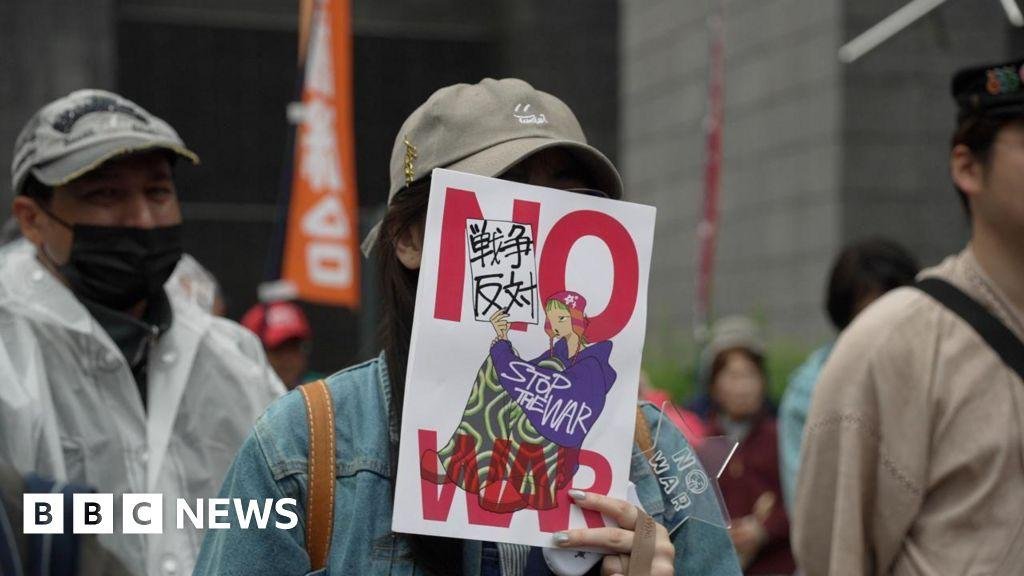
Anti-war protests rock Japan as PM Sanae Takaichi pushes for stronger defence3 hours agoKurumi MoriTokyo correspondentBBC News: Jiro AkibaOn a Tokyo street corner, in the pouring rain, a swelling crowd gathered with drenched placards and sodden flags. On one of them was written just two words, in big bold Japanese kanji characters: "No War".It's a sentiment that is gaining more and more volume...
In today’s competitive professional world, your image often creates the first impression before you ever speak with a potential client, employer, business partner, or customer. A high-quality professional portrait can communicate confidence, approachability, reliability, and expertise. Whether you are updating your LinkedIn profile, launching a business website, preparing marketing...

Madrid 5-Day Itinerary: A Guide to Culture, Gastronomy, and Local Life Home to some 3.5 million people, Madrid is the capital of Spain and the country’s largest city. Though it’s somewhat sprawling, the city boasts stunning architecture, incredible food, and an energetic nightlife that stretches until dawn. Over 10 million people visit the city each year, and the minute you step out to...

Israeli strikes on cars in south Lebanon kill 12, health ministry saysEPAThree cars were reportedly targeted by Israeli drones on the coastal highwayAt least 12 people have been killed in seven separate Israeli air strikes on cars south of Beirut, Lebanon's health ministry says, as the war between Israel and the Lebanese armed group Hezbollah continues despite a ceasefire.Eight people,...

Trump says U.S. and Iran to meet in Qatar after weekend attacks US Secretary of State Marco Rubio (L) meets with Bahrain's King Hamad bin Isa al-Khalifa during his visit to the Middle East to discuss the interim deal between the US and Iran with Arab Gulf allies, and to attend a meeting...