Property Inspection Guide for Confident Property Buyers
Buying a property is a major decision, whether you are purchasing a home for your family, investing in real estate, or acquiring a property for future use. A property may look attractive during a viewing, but appearances alone cannot always reveal problems with construction, finishes, plumbing, electrical systems, ventilation, or other important components.
This is why Property Inspection is an important part of the property buying and handover process. A professional inspection provides a systematic assessment of the property's visible condition and helps identify defects, maintenance concerns, incomplete work, and areas that may require further investigation.
A property inspection can be useful for newly constructed properties as well as older homes. For buyers, it provides valuable information before making a significant financial commitment. For existing property owners, it can help identify maintenance concerns before they become more expensive problems.
What Is Property Inspection?
Property inspection is the process of examining a property's accessible areas, components, finishes, and systems to identify visible defects and potential concerns.
A professional inspection can cover many parts of a property, including walls, ceilings, floors, doors, windows, kitchens, bathrooms, plumbing fixtures, electrical fittings, air conditioning, ventilation, and external areas.
The inspection is generally focused on the observable condition of the property at the time of assessment. If a concern cannot be evaluated through visual inspection or accessible testing, additional specialist investigation may be recommended.
The purpose is not simply to find faults. A good property inspection gives buyers a clearer understanding of the property's overall condition and helps them make better-informed decisions.
Why Is Property Inspection Important?
A property can contain defects that are difficult to notice during a normal viewing. Buyers may focus on the location, size, layout, finishes, and appearance while overlooking technical or maintenance-related issues.
An inspection provides a more structured assessment.
It can help identify:
- Visible construction defects
- Poor workmanship
- Damaged finishes
- Water leakage
- Drainage concerns
- Cracked tiles
- Door and window problems
- Electrical fixture issues
- Plumbing concerns
- Air conditioning problems
- Incomplete work
- Maintenance requirements
Early identification can be particularly valuable because some problems may become more difficult or expensive to address after the property has been occupied.
When Should You Arrange a Property Inspection?
Property inspections can be useful at different stages of property ownership.
For buyers, an inspection can be arranged before completing a purchase when access is available. This allows the buyer to understand the property's condition before making a final decision.
For newly constructed properties, an inspection around the handover stage can help identify defects that should be reported to the developer or contractor.
Existing homeowners may also arrange inspections when purchasing an older property, preparing for renovation, investigating recurring problems, or evaluating general maintenance requirements.
The most suitable timing depends on the property and the purpose of the inspection.
What Does a Property Inspection Cover?
The exact inspection scope varies according to the property and service provider. However, a comprehensive inspection can examine several important areas.
Walls and Ceilings
Walls and ceilings can be checked for visible cracks, stains, paint defects, uneven surfaces, damaged finishes, holes, and signs of moisture.
Not every crack or stain indicates a serious structural issue, but unusual observations should be documented and assessed appropriately.
Moisture marks can be particularly important because they may indicate leakage, condensation, drainage problems, or other water-related concerns.
Flooring
Flooring is another important part of an inspection.
Tiles, wood, stone, and other floor finishes can be examined for cracks, chips, loose sections, uneven surfaces, damaged areas, poor grout, and other visible defects.
Flooring problems can affect appearance and usability. In some situations, they may also indicate underlying installation concerns.
Doors
Doors should operate smoothly and fit appropriately within their frames.
An inspection can assess visible damage, alignment, hinges, handles, locks, frames, and general operation.
Problems with doors may affect security, privacy, ventilation, and everyday convenience.
Windows
Windows can be inspected for visible damage, operation, handles, frames, seals, and locking mechanisms where accessible.
Poorly functioning windows may affect ventilation, comfort, energy efficiency, and protection from external conditions.
Kitchen
The kitchen contains numerous fixtures and installations, making it an important inspection area.
Cabinet doors, drawers, countertops, sinks, taps, drainage, electrical points, and applicable appliances can be checked according to the agreed scope.
Inspectors may identify damaged surfaces, loose fittings, misalignment, leaking fixtures, poor sealants, or incomplete finishing.
Bathrooms
Bathrooms require careful attention because they combine plumbing, drainage, water exposure, flooring, wall finishes, and sanitary fixtures.
An inspection may examine toilets, sinks, showers, taps, drains, tiles, grout, cabinets, sealants, and accessible plumbing connections.
Water leakage and poor drainage should be documented because prolonged moisture can damage surrounding finishes and materials.
Plumbing
Accessible plumbing fixtures and connections can be assessed for visible leaks, drainage problems, damaged fittings, and other apparent concerns.
Plumbing defects can sometimes remain unnoticed until the property is occupied, making early identification valuable.
Electrical Fixtures
Accessible electrical fixtures such as switches, sockets, lights, and other fittings can be checked for visible or functional concerns.
Loose fixtures, damaged sockets, non-functioning lights, and incomplete installations can be documented.
Complex electrical issues or concealed wiring concerns may require assessment by an appropriately qualified specialist.
Air Conditioning
Air conditioning is an important part of property comfort, particularly in warm climates.
Depending on the inspection scope, accessible units, vents, controls, and general operation can be assessed.
Inspectors may identify poor airflow, unusual sounds, visible damage, or apparent performance concerns that may require specialist attention.
External Areas
Where applicable, the inspection can include balconies, terraces, garages, gardens, external walls, service areas, and other accessible outdoor spaces.
These areas may be checked for damaged finishes, cracks, drainage concerns, loose fittings, and incomplete work.
Property Inspection for New Homes
New properties are often assumed to be free from defects because they have recently been constructed. However, new construction can still contain finishing problems, installation defects, damaged materials, or incomplete work.
A professional inspection can provide an independent assessment before or around handover.
For newly built apartments, villas, and townhouses, the inspection may cover interior finishes, fixtures, kitchens, bathrooms, balconies, windows, doors, plumbing, electrical fittings, and air conditioning.
The findings can then be documented for discussion with the relevant developer or contractor.
Property Inspection for Older Homes
Older properties can require a different approach because they may have experienced years of use, repairs, modifications, and maintenance.
An inspection can help identify visible deterioration, damaged finishes, plumbing concerns, electrical fixture problems, moisture issues, and other maintenance requirements.
For buyers, this information can help provide a clearer understanding of the property's current condition and potential maintenance needs.
It is important to remember that an inspection is not necessarily a guarantee of future performance. Existing conditions can change over time, and concealed defects may require specialist assessment.
Property Inspection and Snagging
Property inspection and snagging are closely related but can have different purposes.
Snagging is generally associated with newly constructed or newly completed properties and focuses on identifying defects, incomplete work, and finishing problems before or around handover.
A broader property inspection may assess the overall visible condition of a property, whether it is new or previously occupied.
For a newly built property, a detailed inspection may incorporate many snagging-related checks.
Benefits of Hiring a Professional Inspector
Independent Assessment
A professional inspector can provide an objective assessment of the property's visible condition.
Systematic Inspection
Professionals generally follow a structured approach, helping reduce the chance of overlooking important areas.
Defect Documentation
Findings can be recorded through written descriptions and photographs, creating a useful reference for the buyer.
Better Decision-Making
Understanding the property's condition can help buyers make more informed purchasing or handover decisions.
Maintenance Awareness
An inspection can highlight areas that may require maintenance or further investigation.
Easier Communication
A detailed report can make it easier to communicate identified issues with sellers, developers, contractors, or property management teams.
What Makes a Good Property Inspection Report?
A useful inspection report should be clear, organized, and easy to understand.
Each identified concern should include a description and location. Photographs can provide useful visual evidence and help the property owner understand the issue.
The report should distinguish between visible observations and matters that require specialist investigation.
A professional report should avoid unnecessary technical language where a simpler explanation can communicate the issue clearly.
For buyers, the report should provide practical information that supports decision-making rather than simply presenting a long list of observations without context.
How to Choose a Property Inspection Company
Selecting the right inspection provider can make a significant difference to the quality of the assessment.
Consider the company's experience with similar properties and its inspection methodology. The provider should clearly explain what is included in the inspection and what limitations apply.
Reporting quality is also important. Look for clear descriptions, appropriate photographs, and an organized format.
Professional communication matters as well. The inspector should be able to explain findings clearly and distinguish between minor cosmetic concerns and issues that may require further specialist evaluation.
For handover inspections, it can also be useful to consider whether follow-up inspections are available after corrective work.
Preparing for a Property Inspection
Before an inspection, the property should be accessible and sufficiently complete for the intended assessment.
Rooms, bathrooms, kitchens, storage spaces, balconies, utility areas, and other relevant locations should be accessible where possible.
Buyers can also prepare a list of concerns they have already noticed. Sharing these observations with the inspector may help direct additional attention toward specific areas.
Relevant property information, floor plans, specifications, or handover documents may also provide useful context when available.
Common Property Defects
Properties can experience many different types of defects depending on their age, construction quality, maintenance history, and usage.
Common observations can include cracked tiles, damaged paint, uneven flooring, poor grout, loose fixtures, leaking taps, drainage problems, damaged cabinets, window issues, door alignment problems, faulty electrical fixtures, air conditioning concerns, and incomplete finishes.
Some defects may be cosmetic, while others may affect functionality or durability.
The importance of each finding depends on its condition, location, cause, and potential consequences. Professional inspection helps document the observation so that an appropriate response can be considered.
Follow-Up Inspection After Repairs
An initial inspection is sometimes followed by corrective work.
Developers, contractors, sellers, or property owners may address identified defects after receiving the inspection findings.
A follow-up inspection can help determine whether previously reported concerns have been corrected.
This can be particularly useful for newly constructed properties where multiple defects may be addressed before final handover.
Keeping the original report and follow-up findings together can also provide a useful record of the property's condition and completed repairs.
Property Inspection and Long-Term Maintenance
Property inspection is not only useful for buying or handover decisions. It can also support long-term maintenance planning.
Identifying visible concerns early may help property owners address problems before they become more complicated.
For example, a small visible leak may cause additional damage if ignored. Damaged sealants can allow moisture to reach surrounding materials. Poor drainage can contribute to water accumulation and deterioration.
Regular attention to property condition can therefore contribute to better maintenance management.
FAQs About Property Inspection
What is Property Inspection?
Property Inspection is a systematic assessment of a property's accessible areas, finishes, fixtures, and visible systems to identify defects, maintenance concerns, incomplete work, and other observable issues.
Why is property inspection important?
It helps buyers and property owners understand the condition of a property and identify concerns that may not be obvious during a normal viewing.
When should I arrange a property inspection?
An inspection can be useful before purchasing a property, around the handover stage of a new property, or when assessing an existing property for maintenance or renovation.
What areas are checked during a property inspection?
Depending on the inspection scope, areas can include walls, ceilings, floors, doors, windows, kitchens, bathrooms, plumbing, electrical fixtures, air conditioning, balconies, and external areas.
Is property inspection the same as snagging?
They are closely related. Snagging generally focuses on defects and incomplete work in newly constructed properties, while property inspection can cover both new and existing properties more broadly.
Can a property inspection find hidden defects?
A standard inspection focuses primarily on visible and accessible conditions. Completely concealed defects may require specialist testing or additional investigation.
Should I inspect a newly built property?
Yes. New properties can still contain construction, finishing, installation, and workmanship defects. An inspection can help identify these concerns before or around handover.
Can an inspection be performed on an older property?
Yes. Older properties can be inspected for visible deterioration, maintenance concerns, damaged finishes, plumbing issues, and other observable conditions.
What should a property inspection report include?
A useful report should clearly describe identified concerns, indicate their locations, and include photographs or supporting information where appropriate.
Is a follow-up inspection useful?
Yes. A follow-up inspection can help determine whether previously identified defects have been corrected after repair or maintenance work.
Conclusion
Property Inspection is an important tool for buyers and property owners who want a clearer understanding of a property's condition. A property can appear attractive during a normal viewing while still containing defects or maintenance concerns that are difficult to recognize without a systematic assessment.
A professional inspection can examine important areas such as walls, ceilings, flooring, doors, windows, kitchens, bathrooms, plumbing, electrical fixtures, air conditioning, balconies, and accessible external spaces. The findings can then be documented in a clear report for further action.
Sponsorizzato
Pubblicità
Pubblicità
Pubblicità
Categorie
Leggi tutto
If you are searching for a premium driving experience in Florida, McLaren rental Tampa, FL can be an exciting way to explore the city with style, comfort, and performance. McLaren vehicles are known for their distinctive designs, responsive handling, and impressive engineering, making them appealing to drivers who want something beyond an ordinary car. Whether you are planning a special...

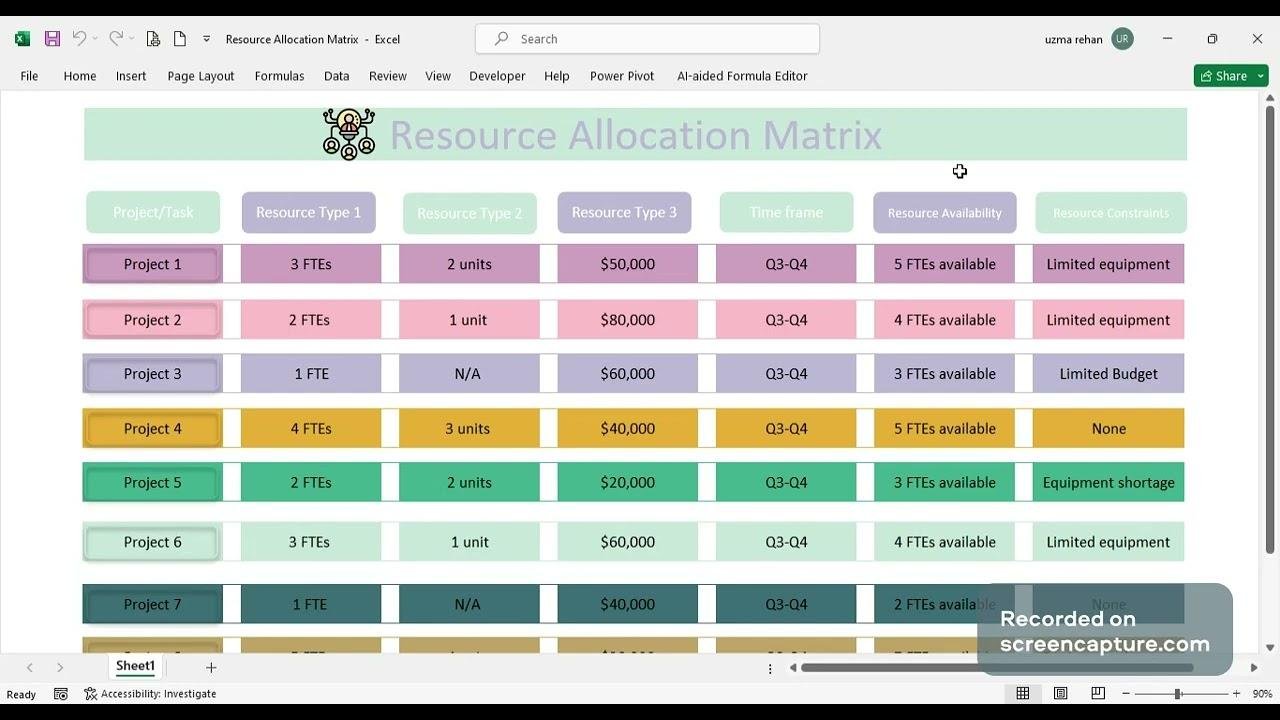
Resource Allocation Matrix & Recruitment Budget Template Excel Resource Allocation Matrix & Recruitment Budget Template Excel Learn how a resource allocation matrix and recruitment budget template Excel improve planning, hiring, and project management efficiently. Effective planning is the foundation of every successful business. Whether you're managing projects or hiring new employees,...
Choosing a Trusted Company Lawyer in Bangladesh is one of the most important decisions for any business owner. The right legal advisor helps protect your company, ensures compliance, and supports long-term growth. Nashir Ahmed Kushol is recognized for providing reliable legal guidance to businesses across Bangladesh. Why Choosing the Right Company Lawyer Matters Running a business involves much...

The Next Solar Eclipse Is Delivering a Rare Sight: Totality at Sunset The only thing cooler than an eclipse or a sunset is when both happen at once. Joe is a freelance journalist. It all started with a long-running affection for building his own PCs, which he did for the first time as a teenager. It evolved into a lifelong enjoyment of putting words on the internet about the...

Whale to be removed from Danish island after failed German rescue52 minutes agoPaul KirbyEurope digital editorReutersThe whale, pictured in late April when it was released into the seaDanish environment officials are planning to remove the carcass of a humpback whale from the island of Anholt, as concerns are raised of a potential health risk.The dead whale was discovered last weekend, two...