Types and Uses of Storage Tank in Pakistan in 2026
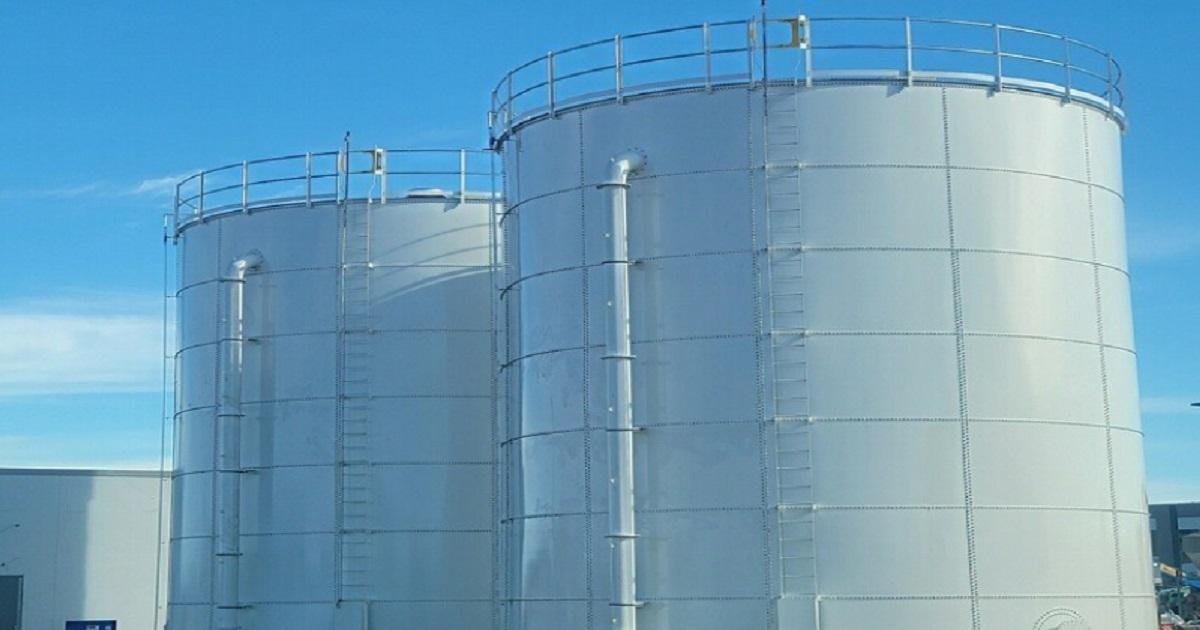
Picture this: a textile unit in Faisalabad grinds to a halt because its water reserve runs dry mid-shift, or a fuel station in Lahore loses customers because its diesel supply wasn't stored properly overnight. These aren't rare stories — they happen more often than most business owners admit. That's exactly why choosing the right storage tank in Pakistan has become such a critical decision for industries, households, and commercial setups alike in 2026.
Whether it's water, chemicals, fuel, or food-grade liquids, the way you store your resources directly affects efficiency, safety, and cost savings. With Pakistan's growing industrial base and increasing water scarcity in many regions, the demand for reliable liquid holding units has never been higher. In this guide, we'll walk you through the different types of Storage Tank in Pakistan, their practical uses, and how to pick the right one — the way an industry expert would explain it to a friend.
Why Storage Tanks Matter More Than Ever
Pakistan's climate is unpredictable, infrastructure is still developing in many areas, and utility supply — especially water and gas — isn't always consistent. This makes bulk liquid storage solutions less of a luxury and more of a necessity for:
-
Residential buildings facing water shortages
-
Factories needing uninterrupted raw material supply
-
Hospitals requiring backup water and chemical reserves
-
Agricultural setups managing irrigation efficiently
A well-designed storage tank Pakistan isn't just a container — it's a safeguard against downtime, contamination, and financial loss.
Common Types of Storage Tanks Used in Pakistan
1. Water Storage Tanks
These are by far the most widely used across homes, apartments, and commercial buildings. Overhead water tanks (usually installed on rooftops) and underground water reservoirs are both common, especially in cities like Karachi, Lahore, and Islamabad where water pressure fluctuates throughout the day.
Practical tip: Underground tanks work better for large-volume storage and stay cooler in Pakistan's hot summers, reducing bacterial growth.
2. Fuel and Oil Tanks
Petrol pumps, transport companies, and manufacturing units rely heavily on fuel holding units to store diesel, petrol, and lubricants safely. These tanks must comply with strict fire safety and environmental regulations, particularly given Pakistan's rising fuel demand.
3. Chemical Storage Tanks
Industries dealing with acids, alkalis, or industrial solvents need corrosion-resistant containers, often made from HDPE (High-Density Polyethylene) or fiberglass-reinforced plastic (FRP). Faisalabad's textile sector and Karachi's chemical manufacturing zones are major users of this category.
4. Septic and Wastewater Tanks
With sanitation infrastructure still expanding in many parts of the country, septic tanks remain essential for residential and commercial waste management, particularly in semi-urban and rural areas.
5. Food-Grade and Pharmaceutical Tanks
Dairy farms, beverage producers, and pharmaceutical companies require tanks that meet hygiene standards to prevent contamination — usually made of stainless steel or medical-grade plastic.
Materials Used in Modern Liquid Storage Solutions
The material of a reservoir unit determines its lifespan, safety, and suitability for specific liquids. Here's a quick breakdown:
Plastic (HDPE/PE) Tanks
Lightweight, affordable, and resistant to rust — ideal for water and mild chemical storage. Most residential water tanks in Pakistan today use this material.
Steel Tanks
Preferred for fuel and industrial applications due to their strength, though they require anti-corrosion coating in Pakistan's humid coastal cities like Karachi.
Fiberglass Tanks
Known for excellent chemical resistance, these are gaining popularity in Pakistan's growing pharmaceutical and chemical manufacturing sectors.
Concrete Tanks
Commonly used for underground water reservoirs and septic systems due to their durability and structural strength.
How to Choose the Right Tank for Your Needs
Selecting a fluid holding unit isn't a one-size-fits-all decision. Consider these factors:
-
Purpose — water, fuel, chemical, or wastewater
-
Capacity requirement — daily consumption vs. peak demand
-
Installation space — rooftop, underground, or ground-level
-
Climate resistance — UV protection for outdoor tanks is essential in Pakistan's intense summer heat
-
Budget and long-term maintenance costs
At Alpine Industrial Con, we often advise clients to think beyond just the upfront price and consider durability, especially given Pakistan's extreme temperature swings between summer and winter.
Key Insights and Practical Tips
-
Always insulate rooftop tanks in Punjab and Sindh to prevent water from overheating during summer months.
-
Schedule regular cleaning every 6 months to avoid sediment buildup and bacterial contamination.
-
For industrial setups, invest in tanks with proper venting systems to prevent pressure buildup.
-
Choose UV-stabilized plastic tanks if the unit will be exposed to direct sunlight year-round.
-
Work with experienced installers who understand local building codes and safety regulations.
If you're planning to install, upgrade, or maintain a storage tank in Pakistan, Alpine Industrial Con brings the technical expertise and local market knowledge to guide you through the entire process — from material selection to installation and long-term maintenance.
FAQs
Q1: What is the most common type of storage tank used in Pakistani homes?
Plastic (HDPE) rooftop water tanks are the most widely used due to their affordability, light weight, and easy installation.
Q2: How often should a water tank be cleaned in Pakistan?
It's recommended to clean residential water tanks every 3 to 6 months, especially during summer, to prevent algae and bacterial growth.
Q3: Which material is best for chemical storage in industrial settings?
HDPE and fiberglass-reinforced plastic (FRP) tanks are preferred for chemical storage due to their corrosion resistance.
Q4: Are underground tanks better than overhead tanks?
Underground tanks generally offer larger storage capacity and stay cooler, but overhead tanks provide better gravity-fed water pressure and easier maintenance access.
Q5: How do I know what tank capacity I need for my business?
Capacity depends on daily consumption, peak usage hours, and backup requirements. Consulting with a professional supplier like Alpine Industrial Con helps determine the right size based on your specific operations.
Patrocinado
Anúncios
Anúncios
Anúncios
Categorias
Leia Mais
Voters will judge Trump on the economy - how is it doing?53 minutes agoArchie MitchellBusiness reporterGetty ImagesDonald Trump once predicted the US-Israeli war in Iran would last no longer than six weeks. It has now entered its third month.The conflict has caused a global energy shock on a par with the oil crises of the 1970s, driving up prices of everything from fuel to groceries.Despite...

How Happy Are You With Your TV? Tell Us in Our SurveyYour TV can make all the difference during a movie night at home, gaming sessions and even watching your favorite team play in the NBA Finals or the World Cup. And you likely have an opinion about the television in your living room, and we want to know whether you'd recommend it to your friends.During the month of June, you can take our...

The FBI is investigating malware hidden inside games hosted on Steam In Brief Posted: 7:55 AM PDT · March 13, 2026 Image Credits:Valve The FBI is investigating a hacker suspected of publishing several video games laced with malware on the popular PC games store Steam, the agency said Friday. In its announcement looking for victims...

Google Celebrates 20 Years of Translate With a New Pronunciation Feature Google's new AI-powered language tool can give you real-time feedback by analyzing speech and correcting your pronunciation. Macy is a writer on the AI Team. She covers how AI is changing daily life and how to make the most of it. This includes writing about consumer AI products and their real-world impact,...

Sabastian Sawe: How Kenyan broke two-hour barrier to make history at London MarathonSabastian Sawe has always had a propensity to surprise.Having never competed on the road, the Kenyan began the 2022 Seville half marathon as a pacemaker, proceeded to drop everybody within the first 10km, and carried on to claim victory in a course record time.Running the second-fastest marathon debut in history...