Professional Robotic Duct Cleaning: A Modern Approach to Better Air Systems
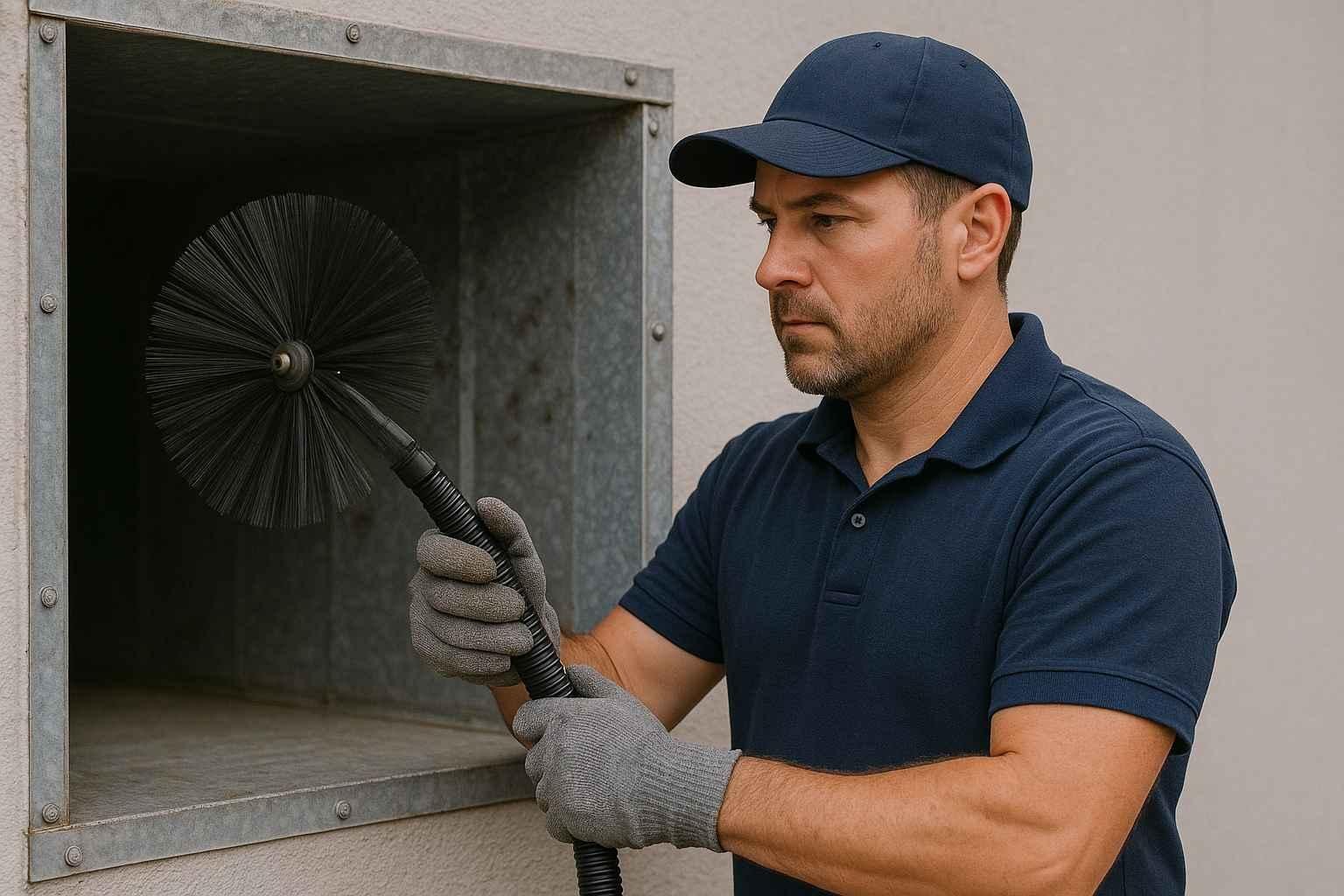
Dust buildup inside ventilation systems often goes unnoticed because ducts are hidden behind walls, ceilings, and access panels. Over time, accumulated debris can affect airflow, reduce system performance, and create maintenance challenges for property owners and facility teams.
Traditional cleaning methods can help, but accessing complex duct networks is not always simple. Professional robotic duct cleaning provides a more detailed approach by using specialised equipment that can inspect and clean areas that are difficult to reach manually.
For buildings in Abu Dhabi, where air conditioning systems operate heavily throughout much of the year, maintaining clean ventilation pathways is an important part of responsible property care. This article explains how robotic systems work, their benefits, limitations, and when they may be the right choice for a duct maintenance plan.
How Does Robotic Duct Cleaning Work?
Robotic duct cleaning uses compact machines equipped with cameras, brushes, and movement controls to travel inside ventilation pathways. These devices allow technicians to see internal duct conditions while performing targeted cleaning.
The process usually begins with an inspection. A camera-equipped robot enters the duct system to identify dust deposits, construction debris, or other visible issues. Technicians can then determine the most suitable cleaning method based on the duct layout and condition.
During cleaning, rotating brushes or specialised attachments help loosen contaminants from internal surfaces. A connected extraction system collects removed particles to prevent them from spreading back into the surrounding environment.
This method offers better visibility compared with cleaning approaches that rely only on external access points. Technicians can make more informed decisions because they are working with direct information about the condition of the ductwork.
Why Modern Buildings Benefit From Robotic Inspection and Cleaning
Many commercial and residential buildings have complicated ventilation designs. Long duct runs, narrow sections, bends, and limited access points can make manual inspection difficult.
Robotic equipment helps solve this challenge by reaching areas where technicians may have limited visibility. It supports a more accurate assessment of the ventilation system instead of relying only on assumptions based on external signs.
Key benefits include:
- Better visibility of internal duct conditions through camera inspection
- More targeted cleaning for specific problem areas
- Reduced need for unnecessary opening of duct sections
- Improved documentation of maintenance work
- Support for preventive maintenance planning
For facility managers, this information can be valuable when managing large buildings with multiple air handling units and extensive duct networks.
The Role of Indoor Air Quality and Ventilation Maintenance
Indoor air quality depends on several factors, including filtration, ventilation design, humidity control, and regular system maintenance. Dirty ducts are only one possible factor affecting air conditions, but they are an important part of the overall ventilation system.
Regular inspection helps identify whether dust accumulation, blockages, or other issues are developing inside the ductwork. A clean system may also support better airflow by reducing unnecessary resistance within the ventilation network.
However, cleaning alone is not a complete solution for every air quality concern. Property owners should also consider filter replacement schedules, equipment servicing, moisture control, and proper ventilation operation.
A complete maintenance approach focuses on the entire HVAC system rather than treating duct cleaning as an isolated task.
When Should Property Owners Consider Robotic Duct Cleaning?
Choosing the right maintenance method depends on the building type, duct design, system condition, and maintenance goals. Robotic duct cleaning can be especially useful when internal access is limited or when a detailed inspection is needed before planning further work.
Situations where this approach may be valuable include:
- Buildings with complex duct layouts
- Facilities requiring documented maintenance records
- Properties experiencing airflow concerns
- Older ventilation systems needing condition assessment
- Spaces where disruption should be minimised
Before scheduling any cleaning work, a professional assessment can help determine whether robotic equipment is suitable. Not every duct system requires the same approach, and the most effective solution depends on the specific conditions of the property.
Important Factors Before Starting a Duct Cleaning Project
Although robotic technology offers useful advantages, it is not a replacement for skilled technicians. The equipment is a tool that supports better inspection and cleaning decisions.
Property owners should consider several factors before beginning a project:
Duct Design and Accessibility
Every ventilation system has a different structure. Some ducts may have wide access points, while others may include narrow passages or complex connections. The cleaning method should match the system design.
Equipment and Technical Knowledge
Effective cleaning requires trained operators who understand HVAC components, airflow systems, and safe cleaning practices. Poor handling can damage internal surfaces or fail to address the actual problem.
Maintenance Planning
Cleaning is most effective when included within a broader maintenance schedule. Regular inspections, filter management, and equipment servicing help maintain long-term system performance.
Key Takeaways
- Robotic systems improve visibility inside ventilation networks through camera-based inspection.
- Automated cleaning equipment helps technicians reach difficult duct areas more effectively.
- Good ventilation maintenance requires more than cleaning alone.
- A professional assessment helps determine the right solution for each property.
Making Smarter Decisions About Ventilation Maintenance
Clean ventilation systems require a balanced approach that combines proper inspection, suitable equipment, and ongoing maintenance. Technology can make the process more precise, but expert evaluation remains essential for achieving reliable results.
For Abu Dhabi property owners and facility teams, selecting the right duct maintenance method can help protect HVAC performance and support healthier indoor environments. Contact Duct Technical Works LLC to discuss suitable duct cleaning solutions for your property.
FAQs About Professional Robotic Duct Cleaning
What is robotic duct cleaning used for?
Robotic duct cleaning is used to inspect and clean internal ventilation areas that may be difficult to access manually. It combines camera inspection with specialised cleaning tools.
Can robotic equipment clean all types of duct systems?
Not every duct system is suitable for the same robotic equipment. The design, size, condition, and accessibility of the ductwork determine which approach is appropriate.
Is duct cleaning the only way to improve indoor air quality?
No. Indoor air quality depends on several factors, including filtration, ventilation operation, humidity control, and regular HVAC maintenance.
Patrocinado
Anúncios
Anúncios
Anúncios
Categorias
Leia Mais
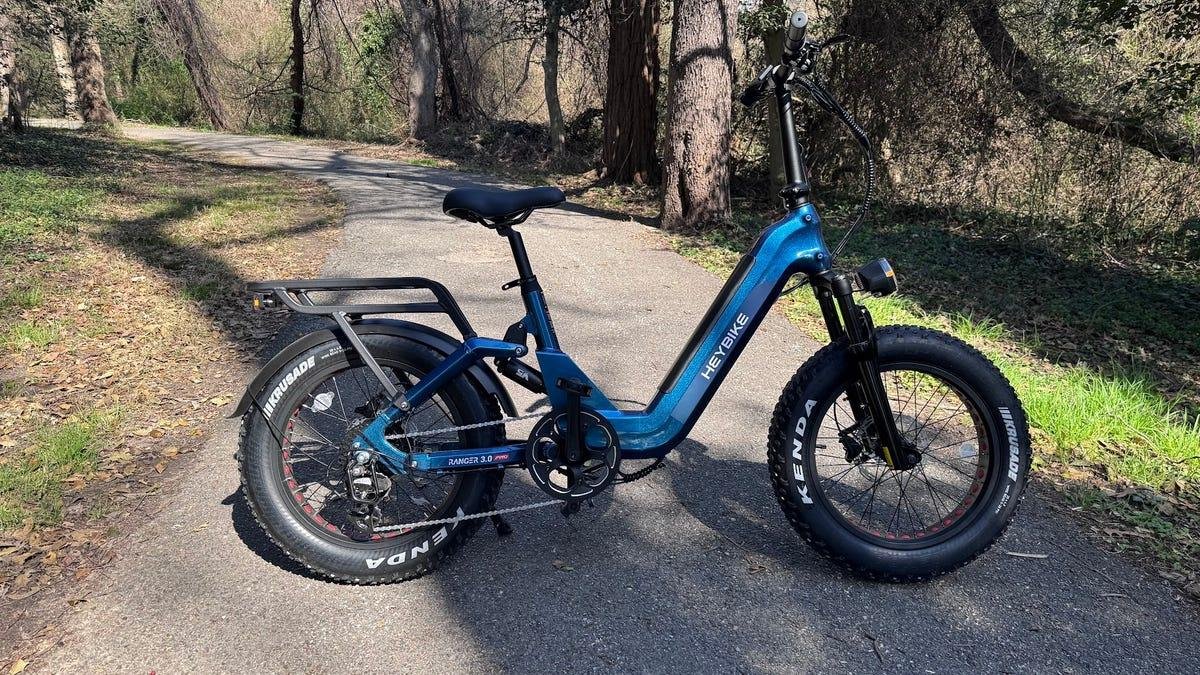
Heybike's Latest Foldable Commuter Bike Has Kept My Car in the Driveway for Weeks. It's Now $500 Cheaper Why You Can Trust CNET Our expert deal-hunting staff showcases the best price drops and discounts from reputable sellers daily. If you make a purchase using our links, CNET may earn a commission. With the right accessories, this new foldable bike is everything you need to get...
Google TV’s new Gemini features keep fans updated on sports teams and more Google unveiled three Gemini-powered features for Google TV on Tuesday, including AI-powered visual responses, the ability to deep dive into virtually any topic, and narrated overviews of sports games. A particularly noteworthy addition is the introduction of visual responses. For example, requesting the current...

Electrify America Shifts From Prepaid Accounts to Direct Card PaymentsElectric vehicle fast-charging network Electrify America is changing how it collects your money. Over the coming weeks, the company will eliminate app-based account balances and auto-reload features, shifting instead to direct credit or debit card billing for each charging session. As someone who frequently charges an EV...
The global 5G New Radio NR Market is estimated at USD 389 billion in 2026 and is projected to reach USD 780 billion by 2036, expanding at a 7.2% CAGR through 2036, according to Fact.MR. 5G New Radio (NR) technology is becoming a core component of next-generation wireless infrastructure as telecom operators expand high-speed connectivity and enterprises adopt applications requiring greater...

Omen AI’s plan to optimize data centers is all wet The AI-driven demand for compute power has data centers looking to squeeze more from every rack of GPUs. One consequence? Bacterial outbreaks. The liquid for liquid-cooled chips is a mixture of water and a substance that inhibits bacteria growth. To run the chips hotter, data center managers can change the mix to include more water, which...