


Practical Design Factors for Outdoor Power Systems

Outdoor electrical equipment may operate in locations where weather, moisture, dust, equipment movement, and physical contact influence everyday working conditions. Construction sites, service areas, industrial plants, workshops, and other professional facilities can therefore require carefully selected electrical connection components. When choosing an Outdoor Industrial Socket, businesses should evaluate the installation environment, equipment compatibility, mounting arrangement, construction, and maintenance requirements together.
Housing design is an important part of an industrial socket. The enclosure provides structural support for internal electrical components and determines how the product can be integrated into surrounding equipment or facilities. Mounting features, cable entry points, connection interfaces, and access areas should work together to create an organized installation.
Material selection is also relevant to outdoor electrical applications. Housing materials provide physical structure, while insulating and conductive components perform their respective functions. The selected materials should correspond with the intended operating environment. Outdoor locations can introduce moisture, dust, temperature changes, sunlight, and mechanical contact, so environmental conditions should be considered during product selection.
Before procurement, buyers should assess the actual installation location. A socket mounted under a protected structure may experience different conditions from one installed in an exposed outdoor area. Construction sites can also involve changing locations and frequent equipment movement. Understanding these conditions provides a better basis for evaluating enclosure construction, mounting methods, cable routing, and maintenance requirements.
Installation quality has a direct effect on the complete electrical system. Qualified personnel should install electrical accessories according to applicable requirements and equipment instructions. Mounting, cable preparation, terminal fastening, and mechanical support should be completed correctly. The surrounding installation should also prevent unnecessary physical stress on the connection during normal equipment use.
Routine maintenance is important for outdoor electrical components. Weather exposure and workplace activity can gradually affect external housings, cable entries, mounting points, and connection interfaces. Maintenance personnel can inspect these areas for visible damage, contamination, looseness, or other concerns. Regular inspection helps keep electrical connection points organized and provides an opportunity to address issues through appropriate maintenance procedures.
Different industries use outdoor electrical connections for different purposes. Construction teams may require connection points for portable equipment. Industrial facilities may have outdoor machinery or service areas. Agricultural operations can involve equipment working around moisture and dirt, while workshops may have equipment positioned near exterior access areas. The intended application should guide the selection process.
Ease of handling should also be considered. Workers may need to connect equipment outdoors while wearing protective gloves or working in limited spaces. A practical connection structure can make routine operations more manageable. However, users should follow appropriate electrical safety procedures and avoid operating electrical equipment in unsuitable conditions.
Compatibility must be confirmed before installation. Buyers should verify the relationship between the socket, associated plug, equipment, cable arrangement, and mounting method. The surrounding environment should also be considered as part of the complete system. This helps reduce the possibility of selecting a component that cannot be appropriately integrated into the intended installation.
Manufacturing consistency can support efficient installation and maintenance. Consistent housing construction, mounting features, terminal positioning, cable entry arrangements, and assembly processes can make multiple installations easier to manage. Production inspection can help maintain uniform characteristics between units and support predictable replacement when necessary.
Outdoor electrical connection selection should always be based on actual working conditions. Environmental exposure, mounting location, material construction, equipment compatibility, installation quality, handling, and maintenance all contribute to product suitability. Businesses comparing professional connection solutions can review the information available through https://www.socketsfe.com when evaluating an Outdoor Industrial Socket for different outdoor industrial applications.
Sponsorluk
Reklam
Reklam
Reklam
Kategoriler
Read More
Erin Patterson appeal: Mushroom murderer's trial undermined by hotel mix-up, court toldLawyers for Australian mushroom murderer Erin Patterson say her conviction was undermined by a "catastrophic" mix-up that led to the jury staying at the same hotel as prosecutors and a key witness.Patterson is serving a life sentence after killing three of her relatives and trying to kill another by serving...

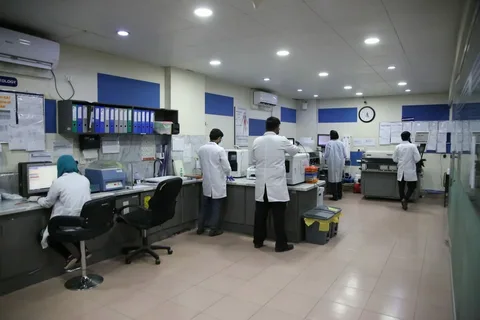
Why Should Laboratory Quality Never Be Ignored? Every medical decision begins with reliable diagnostic information. Physicians depend on laboratory reports to identify illnesses, monitor ongoing treatments, and recommend suitable healthcare plans. Choosing the Best Medical Laboratory in Lahore ensures that every report is prepared with precision, giving both doctors and patients confidence in...
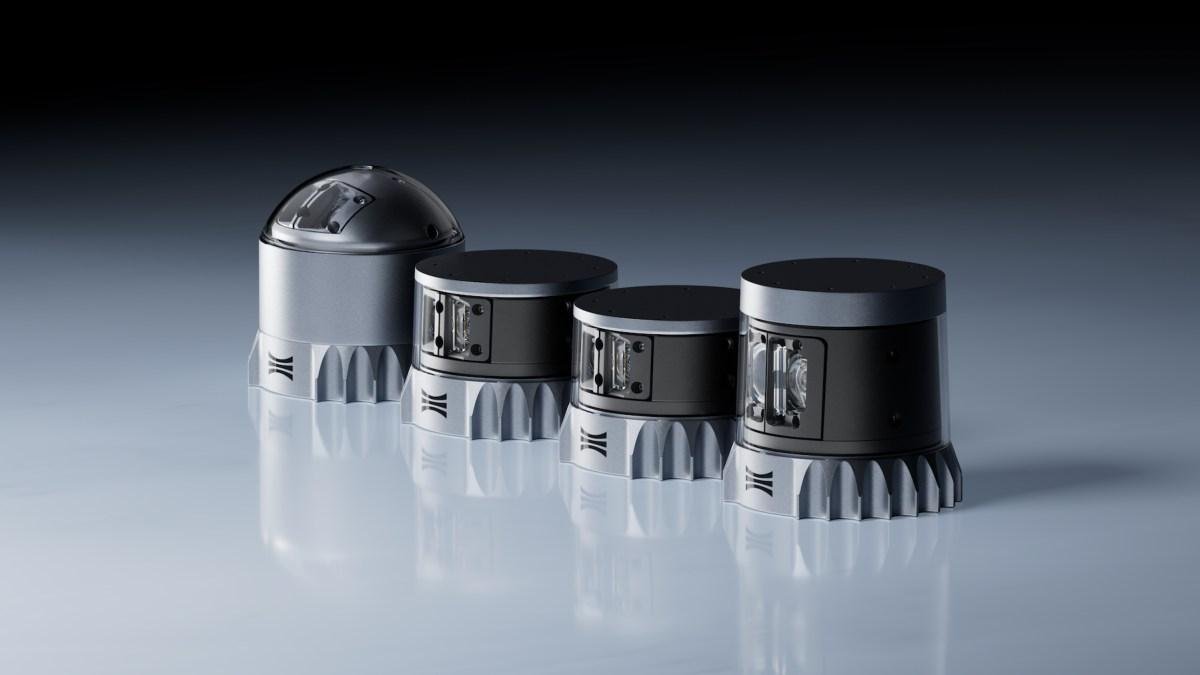
Ouster’s new color lidar is coming to replace cameras The tech industry has spent the last decade asking whether self-driving cars need lidar sensors, cameras, or all of the above. Lidar company Ouster says it has a new answer: put them both in the same sensor. On Monday, the San Francisco-based company announced a new lineup of lidar sensors it calls “Rev8,” all of which offer so-called...
Nike Dunks and hoodies just work together, that's not really up for debate at this point. But throw a Sp5der 555 hoodie into that combo specifically, and you get something that looks a lot more put together than the usual hoodie and sneaker pairing most people default to.I think the reason this combo keeps showing up is pretty simple honestly. Dunks already have that chunky,...

Online gaming platforms have become increasingly popular among people looking for convenient entertainment through their mobile phones and computers. 8XBET is a name associated with online betting and gaming services, offering users access to different types of games and sports-related entertainment through a digital platform. Before using any online gaming service, it is important to...

