Can a Blush Factory Create Custom Blush for Different Makeup Styles
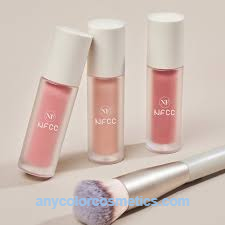
Blush is a small part of a makeup collection, yet its formula can influence appearance, texture, application experience, and the overall character of a finished product. When a brand plans a customized blush, ingredient selection needs to correspond with the intended finish, color style, package format, target market, and usage scenario. A professional blush factory considers these factors during formulation rather than choosing raw materials from a single perspective. For brands exploring personalized cosmetics, anycolorcosmetics provides a starting point for understanding custom product development, but how are suitable ingredients selected for a new blush concept?
Pigments are among the first components considered during blush formulation because they influence shade intensity and visual expression. Different pigment types can create soft, vivid, muted, warm, cool, or luminous effects. The desired color should correspond with the brand concept and intended consumer group, while compatibility with the selected base also needs attention. A carefully balanced pigment system can help create an even appearance without making application feel difficult.
The base formula has a strong connection with texture. Powder blushes require ingredients that can form a stable pressed or loose structure, while cream and liquid products need a suitable medium for smooth spreading. Emollients may contribute to a soft application, whereas powders can influence slip, adhesion, and surface feel. Each ingredient needs to work with the rest of the formulation rather than being evaluated independently.
For liquid blush, viscosity becomes an important consideration. A formula that is too fluid may spread quickly and become difficult to control, while a heavy texture may not provide the desired lightweight application. The selected materials need to create a balance between flow, coverage, blendability, and package compatibility. The dispensing system should also correspond with the formula so that the product can be released in a controlled manner.
Finish is another major factor. A brand may request a matte appearance, a natural satin effect, a soft glow, or a luminous finish. Different combinations of pigments, powders, emollients, and optical materials can influence how light interacts with the applied layer. The formulation team therefore needs to understand the visual target before selecting supporting ingredients.
Skin feel also deserves careful attention. Consumers may prefer a blush that feels light, smooth, creamy, silky, or almost weightless after application. Ingredients with different sensory properties can be combined to create the intended experience. However, the final formula still needs to maintain appropriate stability and performance during storage and everyday use.
Ingredient compatibility is another part of the development process. Materials should remain compatible within the selected formula, packaging, and production method. Certain ingredients may interact with one another or respond differently to temperature, light, humidity, or oxygen. Stability evaluation can help identify changes in color, texture, odor, separation, or other characteristics before commercial production.
Preservation requirements may also influence formulation choices, particularly for products containing water. The preservation approach needs to correspond with the product structure and expected usage conditions. Packaging can play a role as well, since an appropriate container may reduce unnecessary exposure to air or external contamination during repeated use.
For brands seeking a specific color family, ingredient selection can begin with a reference shade or visual concept. A formulation team may evaluate pigment combinations, concentration, undertone, and finish before producing samples. Several sample rounds can help establish a shade that fits the intended brand identity while maintaining an appropriate application experience.
Different skin tones can also influence shade planning. A blush intended for a broad consumer group may require careful consideration of undertones and color visibility. Warm, neutral, and cool color directions can behave differently across various complexions, so testing on suitable skin references can provide useful information during development.
Packaging should be considered alongside the formula. A liquid blush may require a dropper, pump, doe-foot applicator, or another dispensing solution, while a pressed powder may need a compact with a secure closure. Formula viscosity, particle size, moisture content, and application method can all affect the suitability of a particular package.
The intended market can influence ingredient choices as well. Some brands may focus on lightweight daily makeup, while others may develop professional cosmetics, travel collections, youthful color products, or special occasion ranges. Each concept can have different expectations for texture, coverage, finish, packaging, and usage.
Manufacturing conditions also deserve attention. Mixing speed, temperature, filling procedures, homogenization, pressing pressure, and storage conditions may affect the final product. Ingredient selection should therefore consider whether the formula can be reproduced consistently during production rather than only performing well in a laboratory sample.
Quality evaluation normally includes several aspects of the finished product. Appearance, color, texture, spreadability, adhesion, scent, stability, and package interaction may all be examined according to the product type. Samples can be stored under selected conditions to observe whether significant changes occur over time.
A customized blush also needs a clear connection with the brand's visual identity. Packaging color, product shade, formula finish, and application experience can work together to create a recognizable concept. A soft pink liquid blush may communicate a different feeling from a deep matte powder, even when both belong to the same cosmetic category.
For manufacturers and private label brands, communication is particularly important during the development stage. Product references, target shades, preferred textures, package ideas, market requirements, and https://www.anycolorcosmetics.com/ can provide useful direction. Clear information helps the formulation team understand the intended result before sampling begins.
Anycolorcosmetics presents a range of color cosmetic solutions for brands exploring customized makeup development, allowing product concepts to be considered alongside formulation, packaging, and presentation. For a liquid blush project, brands can review the available product details through the Matte Finish Moisturizing Soft Liquid Blush product page while considering shade, texture, finish, and packaging requirements.
A custom blush formula is shaped by several connected decisions rather than one ingredient. Pigments influence color, base materials influence texture, emollients affect sensory feel, supporting components contribute to stability, and packaging needs to suit the final consistency. Careful testing allows these elements to work together within the same product concept.
For a brand planning a new cosmetic collection, ingredient selection can become an opportunity to develop a distinctive product experience without separating formula design from packaging and visual presentation. A thoughtful development process can help transform a basic blush concept into a product with a defined shade, texture, finish, and application style that corresponds with the intended market. A capable blush factory can coordinate these considerations during customized production.
Sponsorluk
Reklam
Reklam
Reklam
Kategoriler
Read More
University life in the UK is exciting, but it also comes with demanding academic responsibilities. Students often balance lectures, coursework, part-time jobs, internships, and personal commitments. Managing multiple deadlines at the same time can become overwhelming, especially when every assignment requires research, critical thinking, and proper referencing. This is why many students look...

A ute is one of the most versatile vehicles for Australian work and recreation. Whether you are a tradesperson carrying tools, a contractor transporting equipment, or an outdoor enthusiast preparing for a weekend adventure, having the right storage setup can make every journey easier. An open tub offers useful capacity, but valuable equipment can remain exposed to changing weather and other...
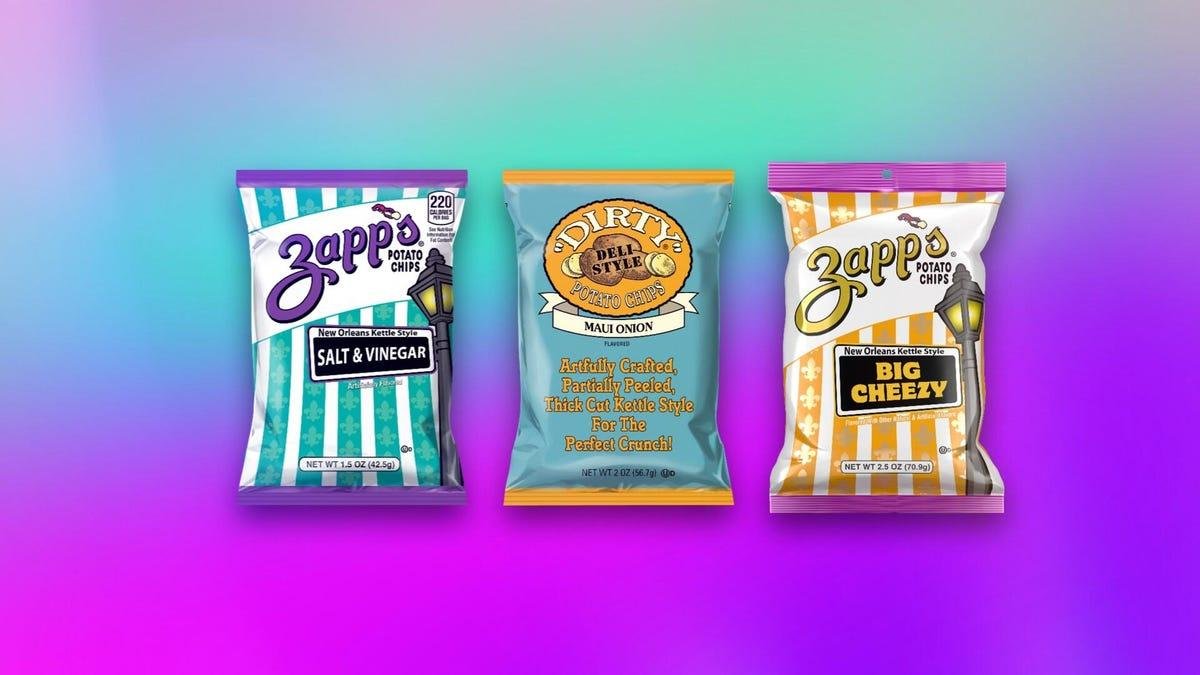
Popular Potato Chips Face FDA's Most Serious Recall: What to Know Utz Quality Foods voluntarily recalled select varieties of potato chips due to potential salmonella contamination in the seasoning powder. Corin Cesaric-Epple Editor Corin Cesaric-Epple is an Editor at CNET covering home and kitchen tech and meal kits, and reporting regularly on artificial intelligence. She earned...
Nvidia says its AI data center design runs hotter to use a lot less waterBy switching to 100 percent liquid cooling and running servers hotter, Nvidia claims it can cut water use to “near zero.”By switching to 100 percent liquid cooling and running servers hotter, Nvidia claims it can cut water use to “near zero.”by Stevie BonifieldJun 22, 2026, 11:24 PM UTCImage: Cath Virginia / The Verge,...

Are brain waves the next unlock for physical AI? The frontier of physical AI is a Jenga game in a warehouse in San Leandro, California. That warehouse is occupied by Encord, a company that builds data tooling used to train AI models. Andrew Ceja is a pilot—the company’s term for its robotic trainers—and he’s carefully pulling wooden blocks from a tottering tower while wearing a headset with a...