Is Your Old Car Worth Fixing or Scrapping in Calgary?

An old car rarely becomes a problem overnight. First, there is a strange noise. Then the check-engine light appears. A few months later, you may be looking at a repair estimate worth almost as much as the vehicle itself.
That creates a difficult question for many Calgary drivers:
Is your old car worth fixing, or would you be better off scrapping it?
There is no single answer for every vehicle. A $1,500 repair could make sense on a dependable car worth $8,000, but putting the same amount into a heavily rusted vehicle worth $2,000 may only delay another expensive repair.
Instead of making an emotional decision, compare the vehicle's current value, repair cost, reliability, future expenses, and scrap value.
Here is a practical way to decide.
Start With the Repair-to-Value Test
Before approving an expensive repair, find out approximately what your car would be worth if it were running properly.
Then compare that number with the repair estimate.
For example:
|
Vehicle Situation |
Estimated Amount |
|
Car value in good running condition |
$4,000 |
|
Current repair estimate |
$2,400 |
|
Additional repairs expected soon |
$900 |
|
Total potential repair spending |
$3,300 |
Would spending $3,300 on a $4,000 vehicle make sense?
Possibly, but only if the rest of the car is in excellent condition.
If the vehicle also has high mileage, body rust, worn tires, suspension problems or transmission issues, repairing one problem may simply reveal the next one.
A useful question is:
“If I spend this money today, how confident am I that the vehicle will remain dependable?”
That question is often more useful than asking whether the current problem can be fixed.
When Fixing Your Old Car May Make Sense
Scrapping an older car isn't automatically the best option.
Repair may still be worthwhile when the vehicle has been reliable, the body and frame are solid, and the problem is isolated.
Consider fixing the vehicle when:
- The repair costs significantly less than its usable market value.
- The engine and transmission are still healthy.
- Serious rust has not affected important structural areas.
- The vehicle has been properly maintained.
- You recently replaced expensive components such as tires or brakes.
- No major additional repairs are expected soon.
- Buying a replacement vehicle would create a much larger financial burden.
Imagine you own an older SUV worth around $7,000 and need a $900 alternator-related repair. If the vehicle has been dependable and everything else is working properly, keeping it may be the sensible choice.
Age alone doesn't make a car junk.
Overall condition matters more than the model year printed on the registration.
7 Signs Scrapping the Car May Make More Sense
Sometimes an old vehicle becomes a money pit.
If several of the following problems apply to your car, getting a quote from a scrap car removal Calgary service may be worth considering before authorizing another repair.
1. The Repair Costs Almost as Much as the Car
Suppose your vehicle is worth $2,500 when running, but it needs $2,000 in repairs.
You could spend the money and still own a $2,500 vehicle.
That doesn't automatically make the repair wrong, but the numbers should make you think carefully.
2. The Engine Has Failed
A blown engine can dramatically change the economics of keeping an older vehicle.
Engine replacement may involve the engine itself, labour, fluids, related components and unexpected problems discovered during installation.
For an otherwise valuable vehicle, replacement could make sense.
For an old, high-mileage car with several existing problems, selling it as a non-running vehicle may be more practical.
3. The Transmission Is Failing
Transmission repairs can become expensive quickly.
Warning signs may include slipping gears, delayed engagement, unusual noises or difficulty shifting.
If the car simultaneously needs brakes, suspension work, tires and transmission repairs, look at the total repair burden, not just today's invoice.
4. Rust Is Becoming Serious
Calgary vehicles can experience harsh winter driving conditions, road debris, moisture and corrosion over time.
Minor cosmetic rust is one thing. Extensive rust affecting important structural areas is different.
Before investing heavily in an older rusty vehicle, have its condition properly evaluated.
5. You're Repairing Something Every Few Months
One of the clearest warning signs is not a single large bill but a pattern:
Battery.
Then brakes.
Then suspension.
Then cooling system.
Then another warning light.
Individually, each repair may seem manageable. Together, they can turn an inexpensive car into an expensive vehicle to own.
Look at what you spent during the last 12 months, not merely what today's repair will cost.
6. The Car No Longer Feels Dependable
Reliability has value.
A vehicle that regularly leaves you wondering whether it will start tomorrow can affect work, family responsibilities and daily transportation.
Even if every individual repair appears technically possible, repeated breakdowns may mean the vehicle has reached the end of its practical life.
7. The Vehicle Has Multiple Problems at Once
A car with a dead battery isn't necessarily scrap.
Neither is a vehicle that needs new tires.
But consider a car with:
- 300,000+ kilometres
- severe rust
- transmission trouble
- engine leaks
- worn tires
- suspension noise
- electrical problems
- significant body damage
Fixing one issue doesn't eliminate the others.
This is where junk car removal in Calgary may become a realistic alternative to continuing repairs.
Use the “Next 12 Months” Test
Here is one of the easiest ways to make the decision.
Don't ask:
“Can I afford this repair today?”
Ask:
“What is this car realistically going to cost me over the next 12 months?”
Include:
Current repair
- upcoming maintenance
- tires
- brakes
- known mechanical problems
- expected reliability issues
Then compare that total with the vehicle's current value and the cost of replacing it.
This prevents a common mistake: spending $1,500 today because it seems cheaper than changing vehicles, then spending another $2,000 six months later.
What Is Your Old Car Worth as Scrap?
A scrap vehicle does not have one universal price.
Its potential value can depend on factors including:
make, model, year, vehicle weight, condition, completeness, recyclable metal, reusable components, catalytic converter status, engine condition, location and current market demand.
A complete pickup truck may be valued differently from a small sedan. A vehicle that still has valuable reusable components may also receive a different offer from one that has already been stripped.
That is why an online estimate based only on the vehicle's weight may not tell the whole story.
When requesting a cash for cars Calgary quote, provide accurate information about the car.
Mention whether it:
- runs and drives
- has keys
- has all four wheels
- has major body damage
- has a blown engine
- has transmission problems
- is missing parts
- has been sitting for years
- can be easily accessed by a tow truck
Better information usually leads to a more meaningful quote.
Don't Forget the Cost of Keeping a Dead Car
An unused vehicle can still cost you something even when you aren't driving it.
It takes up driveway or garage space, continues deteriorating and may become harder to move after sitting for a long period.
Flat tires, seized components, dead batteries and weather exposure can turn a simple removal into a more complicated situation.
If you already know you won't repair or restore the vehicle, delaying the decision may provide little benefit.
The City of Calgary's disposal guidance specifically treats automotive materials such as motor oil, lead-acid batteries and tires as items requiring appropriate handling rather than ordinary garbage disposal. Calgary also provides a “What Goes Where” tool with an automotive vehicles and maintenance category for residents who need disposal guidance.
That is another reason to work with an appropriate vehicle recycler or removal provider rather than trying to dispose of automotive materials yourself.
Repair, Sell Privately or Scrap? Use This Quick Decision Table
|
Your Situation |
Option Worth Investigating |
|
Minor repair + reliable vehicle |
Repair |
|
Running car with good resale demand |
Private sale |
|
Newer vehicle with manageable damage |
Repair or sell |
|
Blown engine + low vehicle value |
Scrap/cash offer |
|
Major transmission failure + high mileage |
Compare repair vs scrap |
|
Severe rust + multiple mechanical problems |
Scrap |
|
Non-running car sitting for years |
|
|
Accident-damaged vehicle |
Compare salvage, repair and scrap values |
The key word is compare.
Never decide based on repair cost alone and never scrap a potentially valuable vehicle without understanding its alternatives.
A Simple 5-Question Test Before You Spend More Money
Answer these five questions:
1. What is the car worth today?
2. What will it be worth after the repair?
3. How much will today's repair actually cost?
4. What other repairs are likely within the next year?
5. What could I receive if I sold or scrapped it now?
Once those numbers are in front of you, the decision often becomes much easier.
For example, spending $800 to repair a dependable $6,000 car can be reasonable.
Spending $3,500 on a $2,500 car with severe rust, 320,000 kilometres and a failing transmission is a very different situation.
So, Is Your Old Car Worth Fixing?
Fix it when the vehicle still has useful life and the repair restores dependable transportation at a reasonable cost.
Consider scrapping it when repair bills are approaching the car's value, major components are failing, corrosion is becoming serious or one repair seems to immediately follow another.
If you're still uncertain, get two numbers before deciding:
a written repair estimate and a scrap-car cash offer.
Then compare them against the vehicle's realistic market value.
Your old car doesn't need to be completely destroyed before scrap car removal becomes a sensible option. Sometimes the best time to stop repairing a vehicle is simply when the next dollar spent on it is unlikely to give you enough value back.
For Calgary vehicle owners, making that decision with numbers rather than frustration can save money, avoid another cycle of repairs and help you choose the option that makes the most sense for what your car is actually worth.
Sponsorizzato
Pubblicità
Pubblicità
Pubblicità
Categorie
Leggi tutto
Buying a new property in Dubai is an exciting experience, but receiving the keys does not always mean that everything inside the property is perfect. Newly constructed apartments, villas, townhouses, and other properties can contain finishing problems, installation defects, or construction issues that may not be immediately visible during a standard viewing. This is why choosing a professional...

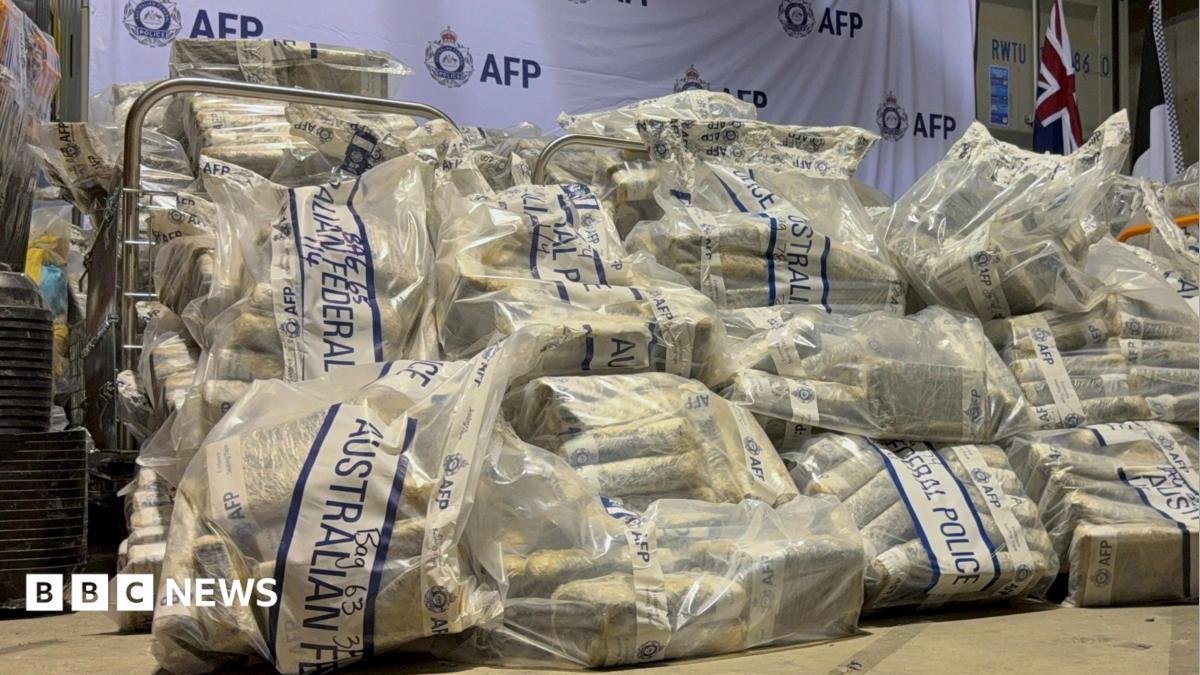
Australia's largest ever cocaine bust made in underground bunker raidAustralian police have seized 2.7 tonnes of cocaine - the country's largest ever such bust - from an underground bunker system in western Sydney.The drugs, with an estimated street value of A$816m (£433m, €500m), were found on Friday in compartments concealed beneath false floors in three shipping containers at a property in...
Welcome, Raiders! This guide compiles key strategies and mechanics to help you survive, explore, and thrive in the world of ARC Raiders Items. Whether you're just dropping in or looking to refine your tactics, these tips will give you an edge. 1. Master the Parkour & Movement SystemSafe Descents: When falling, hold SPACEBAR to automatically grab onto ledges, ladders, or ropes to prevent...

The Scam Targeting Grandparents That Cost Victims More Than $5 Million Last Year We research all brands listed and may earn a fee from our partners. Research and financial considerations may influence how brands are displayed. Not all brands are included. Learn more. Grandparents are often quick to help their younger loved ones out of a...

BBC in Iran: 'Tehran does not think it has lost this war'President Donald Trump has said that talks between the US and Iran to end the war could resume as early as this weekend, with Washington and Tehran "very close" to making a deal. The BBC's chief international correspondent Lyse Doucet reports that whilst Iranians are keen to end the enmity with the US, leaders do not believe they have...